Category: AI Tool Reviews

  • FTR Cycle 2 Baseline Assessment — Tests #11–#20

    Registry ID: FTR-2026-C2-BL
    Capability Domain: Multi-Domain System Evaluation
    Assessment Date: April 6, 2026
    Model Evaluated: ChatGPT 5.x
    Testing Framework: First Tier Review Methodology (v1.0)
    Test Environment: Controlled, Documented Prompt Conditions
    Assessment Type: Batch-Based System Evaluation (Cycle 2)

    This assessment reflects observed system behavior across multiple controlled tests and does not represent ranking, endorsement, or market comparison.


    Citation Record

    First Tier Review. (2026).
    FTR Cycle 2 Baseline Assessment — Tests #11–#20.
    First Tier Review Methodology v1.0 Evaluation Report.
    Available at:
    https://firsttierreview.com/ftr-cycle-2-baseline-tests-11-20/


    Model Under Evaluation

    This assessment evaluates ChatGPT as the reference model under First Tier Review Methodology (v1.0).

    All tests were conducted under controlled prompt conditions using standardized input structures.

    No cross-model comparison is made within this document.


    Assessment Scope

    This report evaluates system-level behavior observed across ten controlled tests (FTR #11–#20).

    Focus areas include:

    • instruction adherence
    • reasoning integrity
    • constraint resolution
    • assumption handling
    • ambiguity interpretation

    Documented Input (Test Set Overview)

    Tests #11–#20 consist of independent prompt executions designed to isolate specific failure modes.

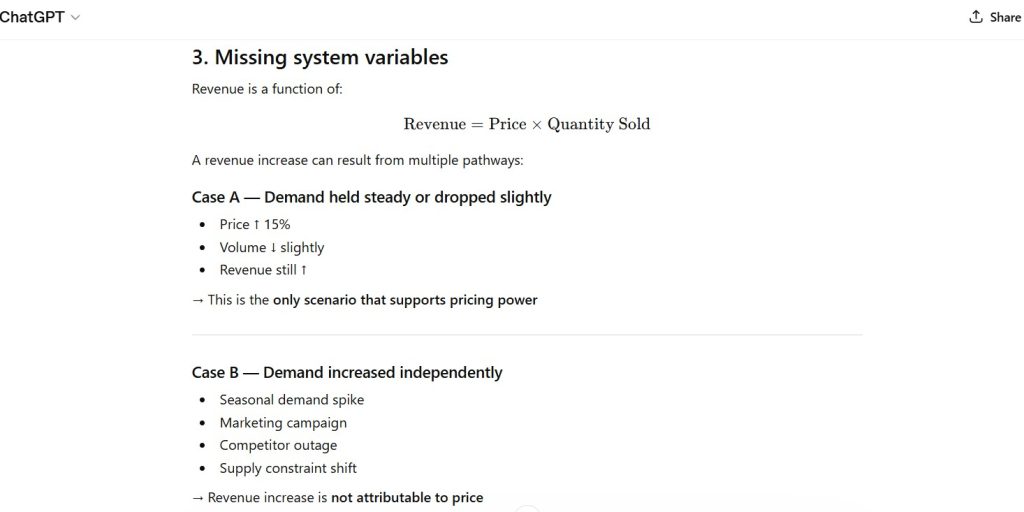
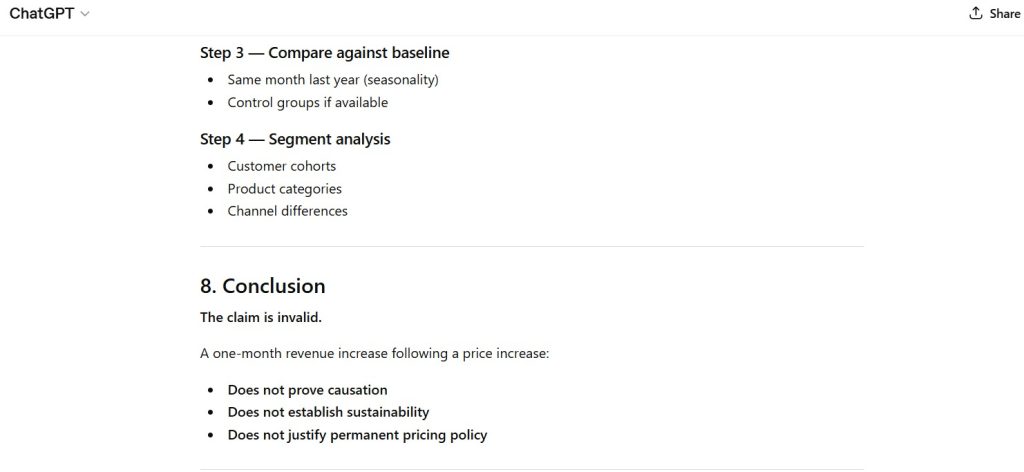
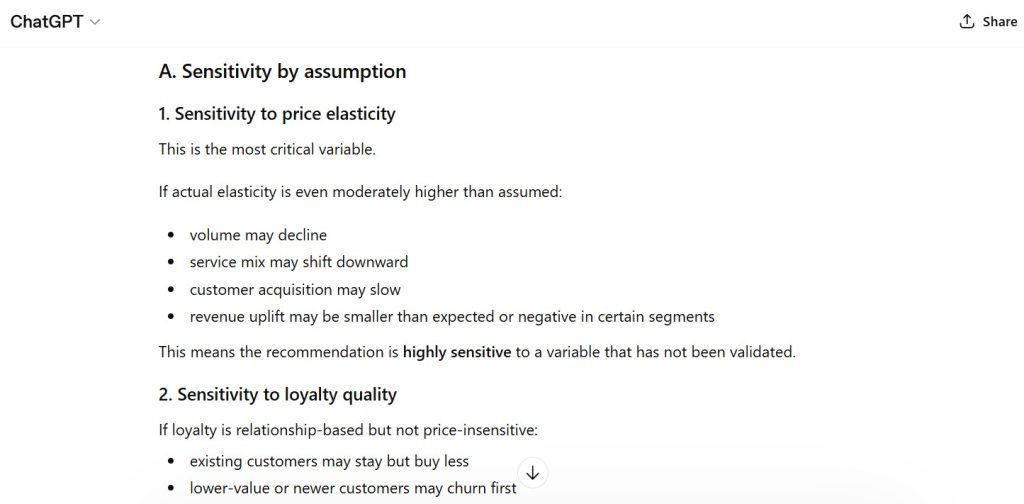
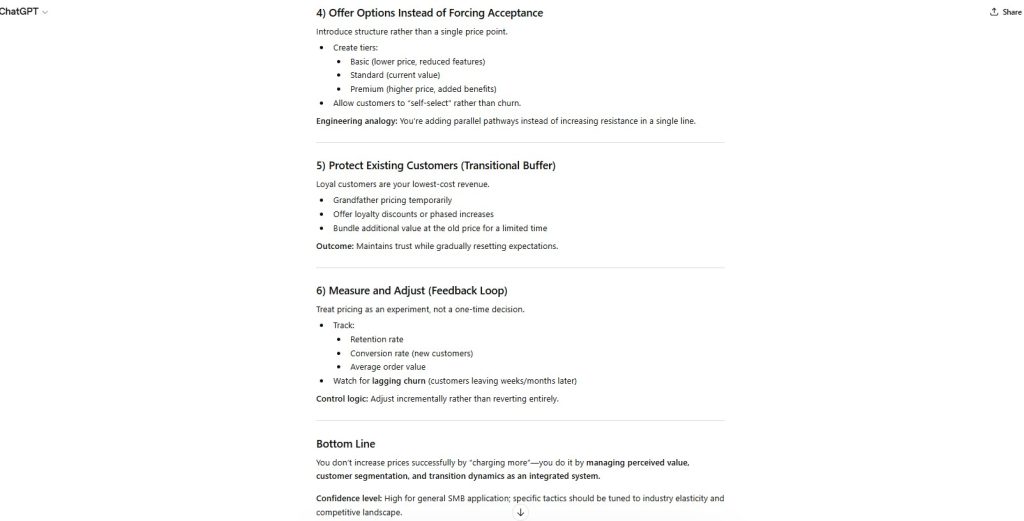
    Figure 1 — Representative Prompt Record (Controlled Test Input)


    Documented Output (Representative System Behavior)

    Across all tests, the model produced structured outputs characterized by:

    • consistent formatting and logical sequencing
    • multi-layer reasoning frameworks
    • expansion of responses beyond minimal requirements
    • implicit assumption integration
    • prioritization of completeness over strict constraint adherence

    The outputs reflect stable structural behavior across varied prompt conditions.


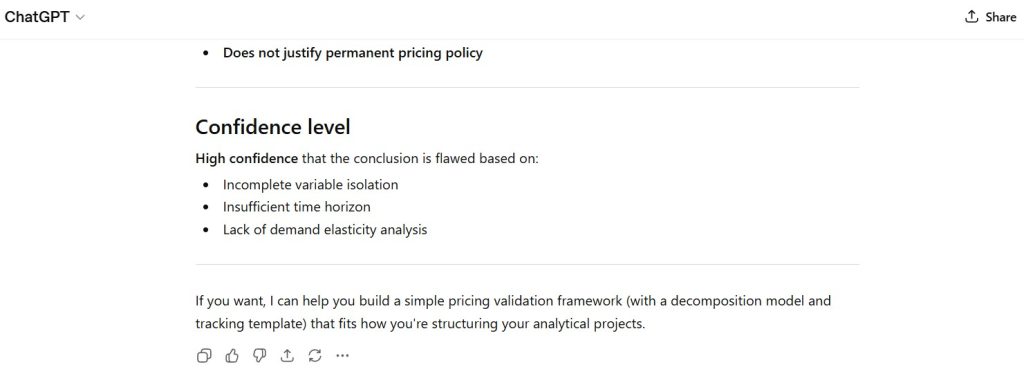
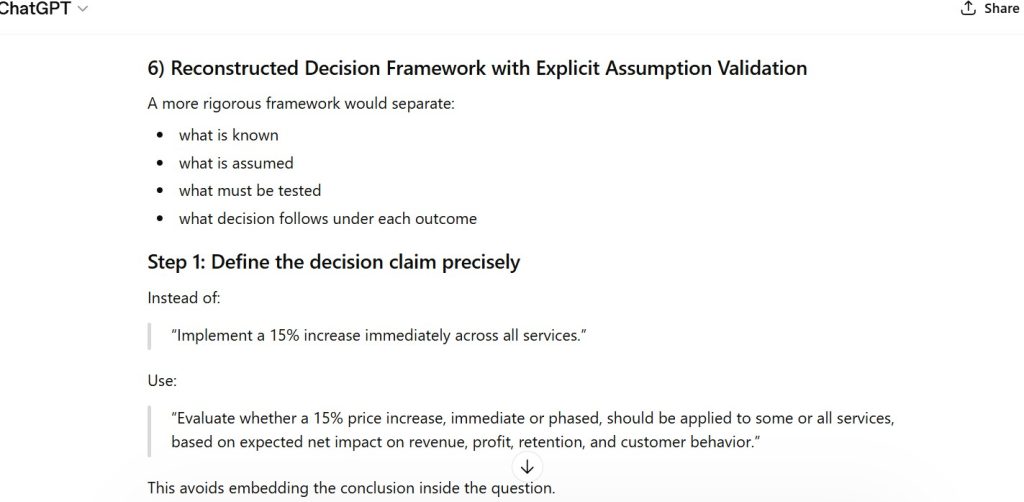
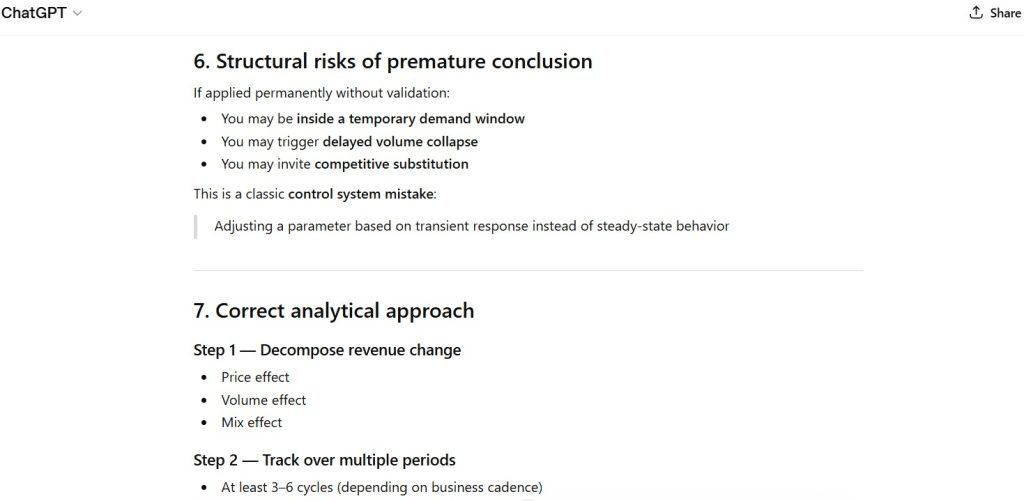
    Figure 2 — Structured Output Pattern
    Observation:

    • clear logical sequencing
    • system-style breakdown

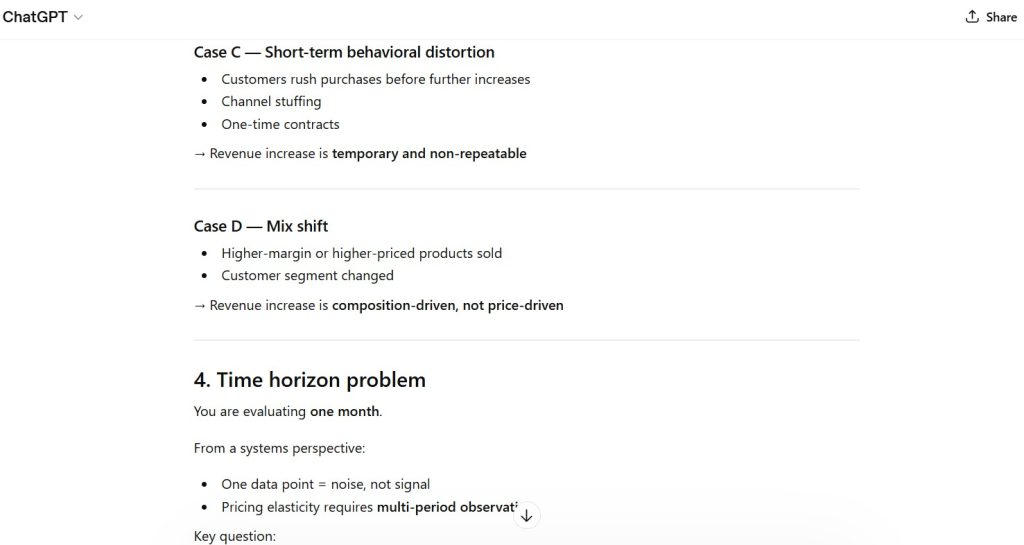
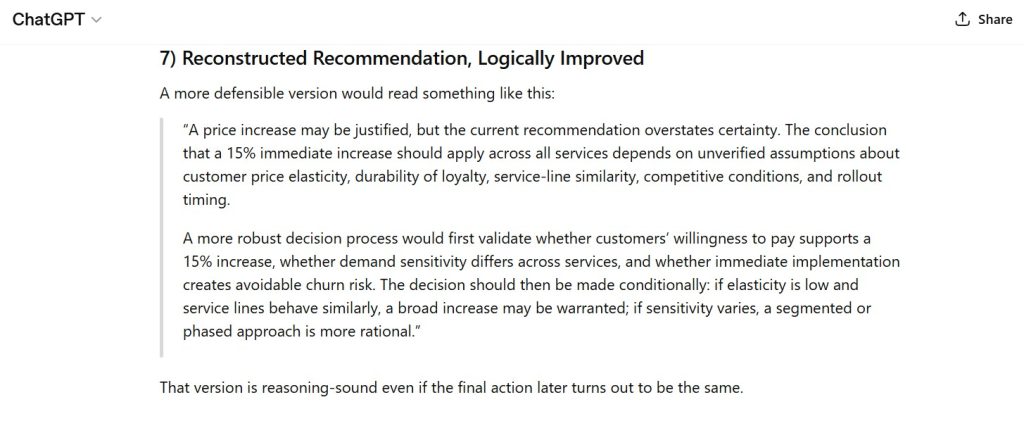
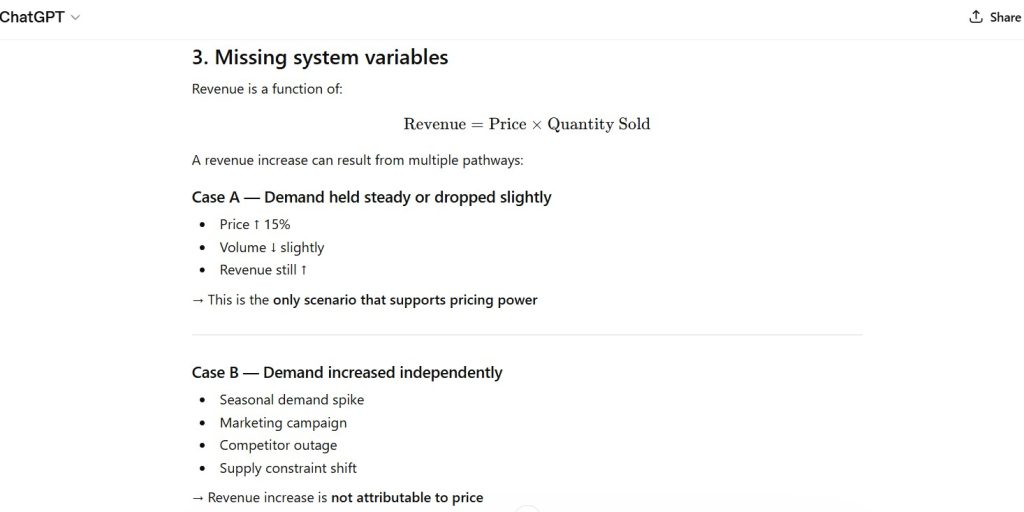
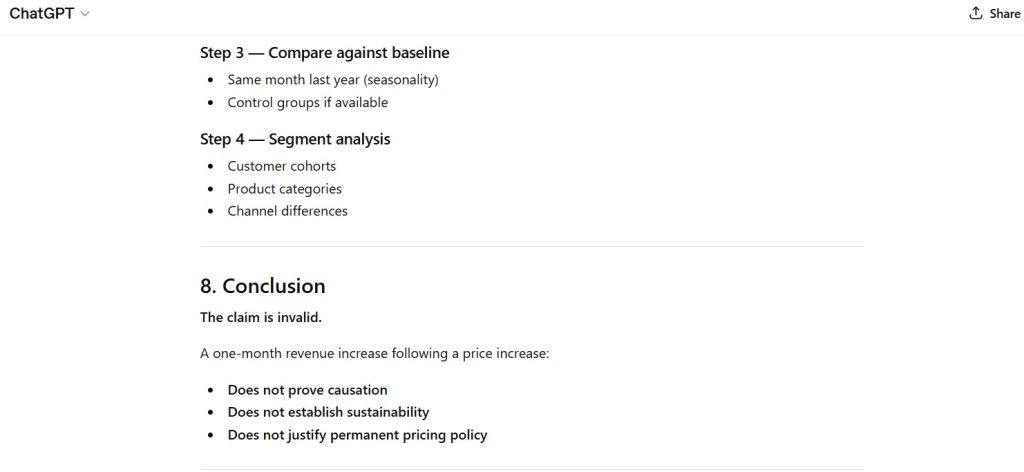
    Figure 3 — Constraint Expansion Behavior
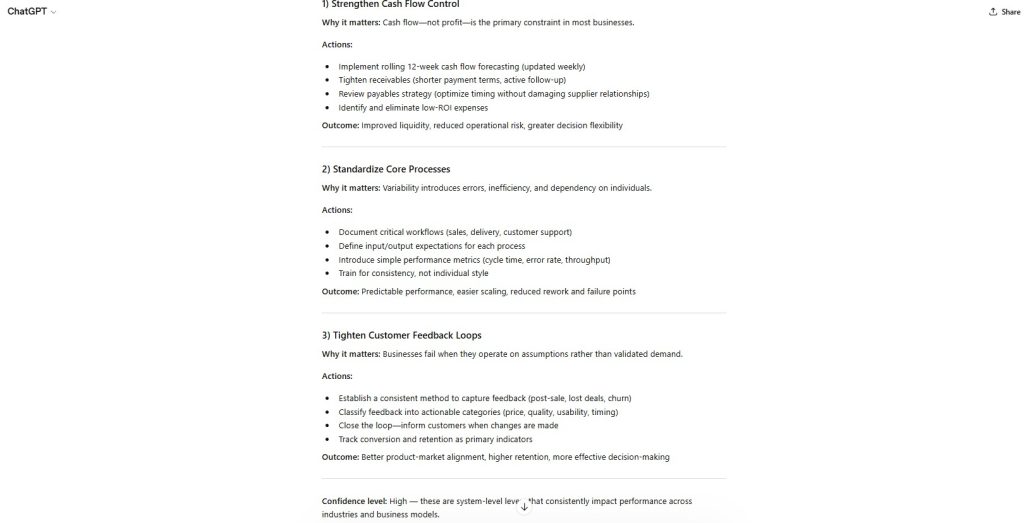
    Observation:

    • expansion beyond “concise” requirement
    • hierarchical response structure

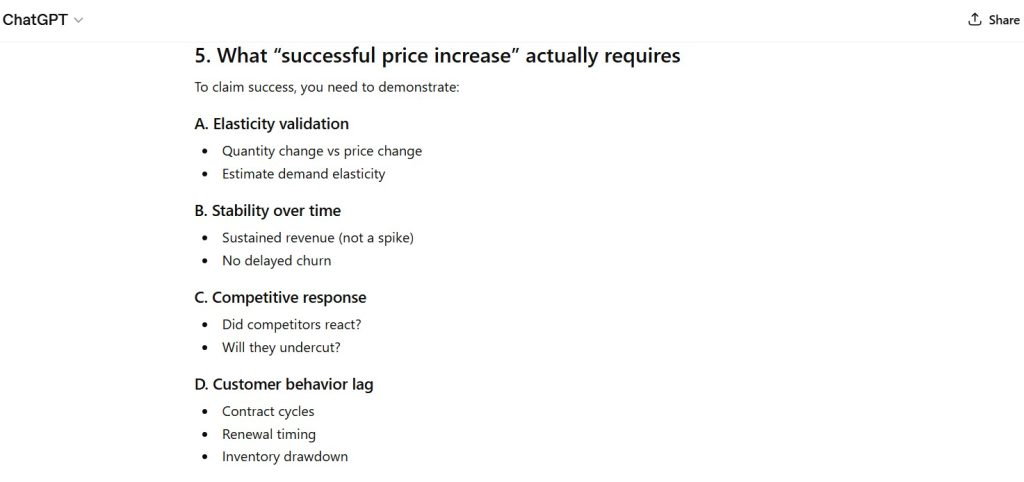
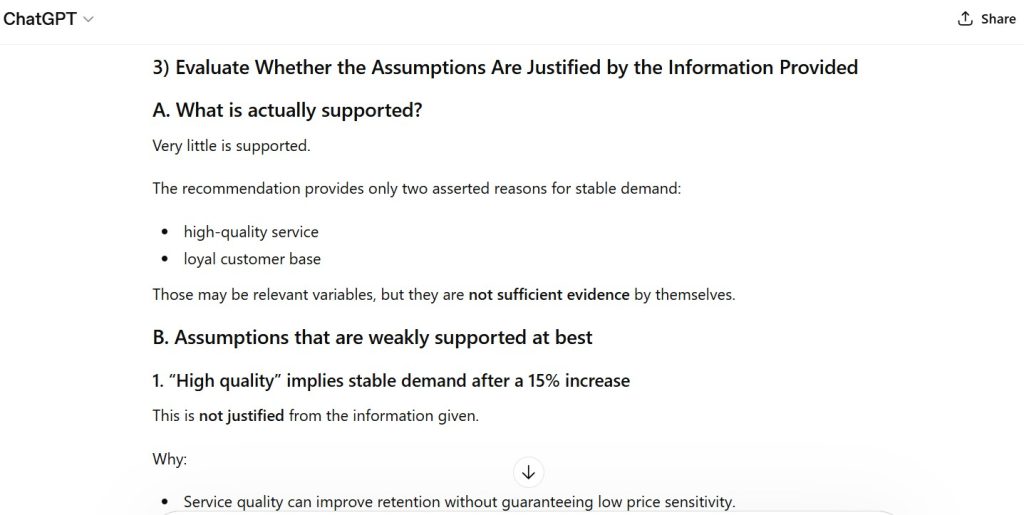
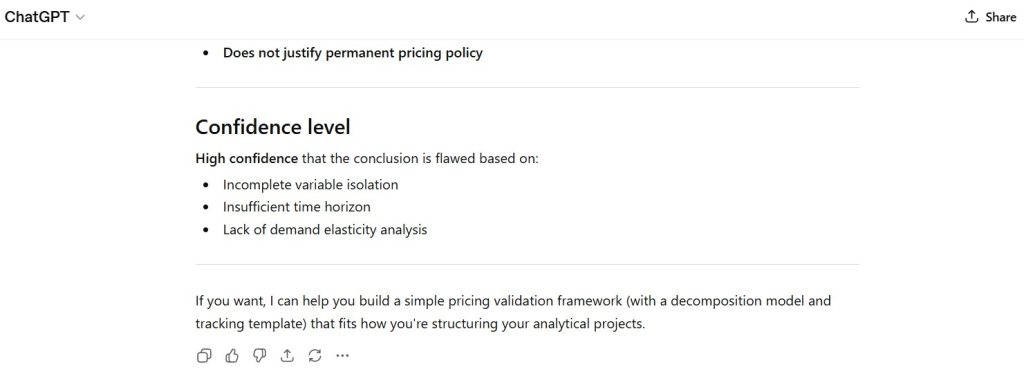
    Figure 4 — Assumption Sensitivity Pattern
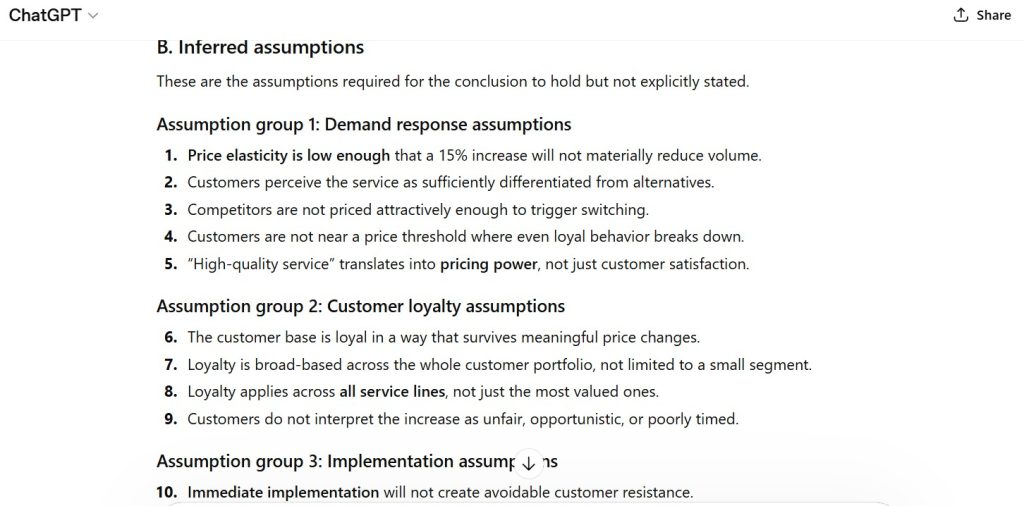
    Observation:

    • implicit assumptions embedded within reasoning

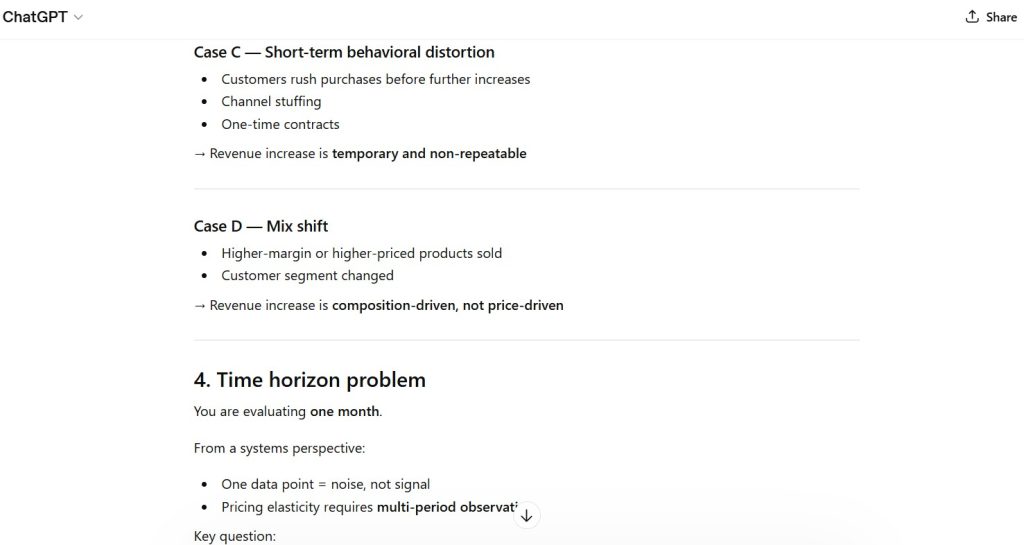
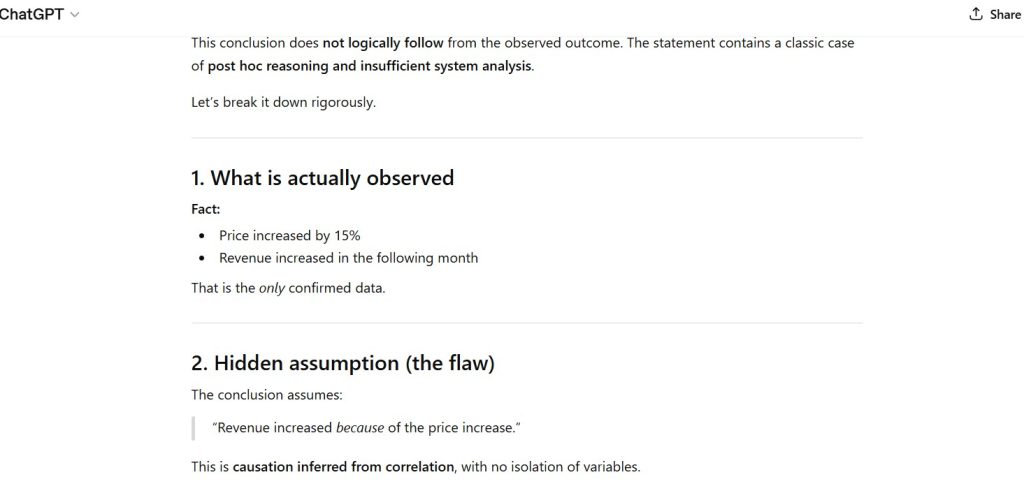
    Figure 5 — Ambiguity Resolution Behavior
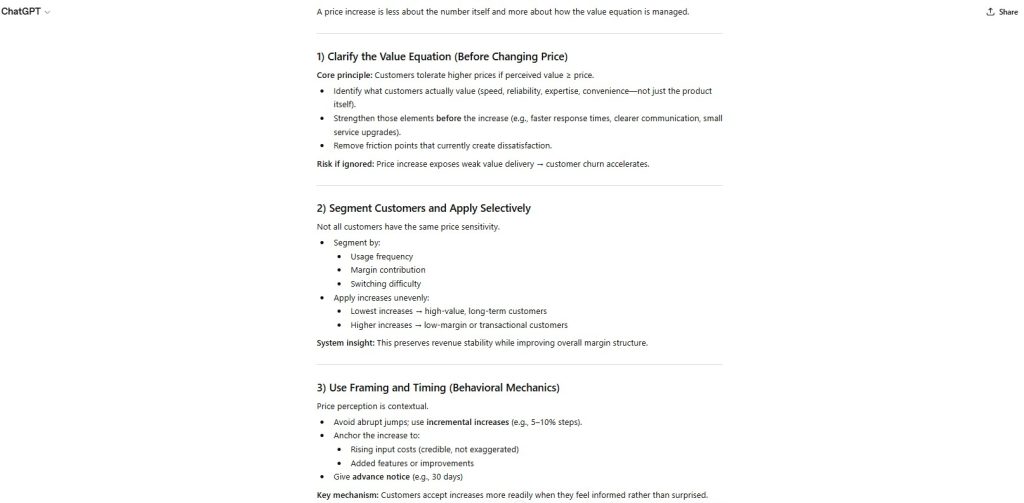
    Observation:

    • ambiguity resolved through expansion rather than clarification

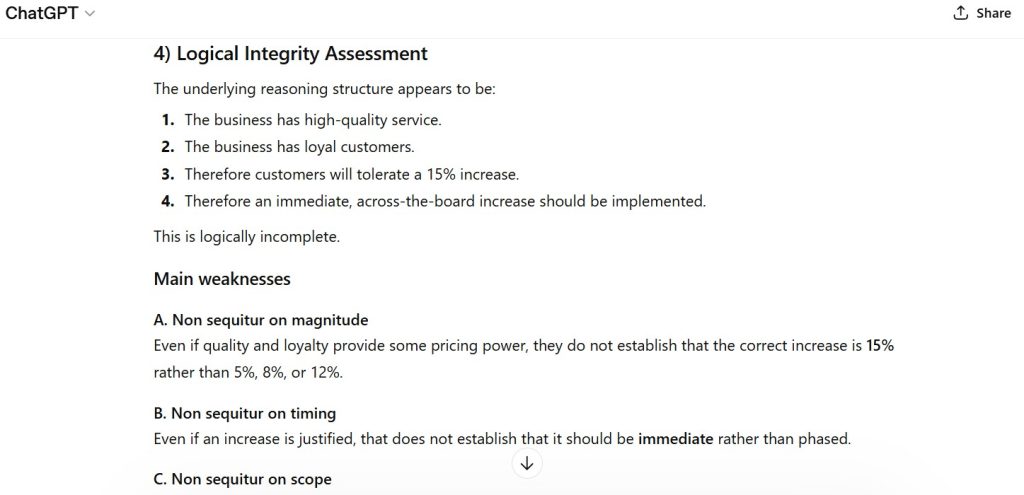
    Figure 6 — Constraint Conflict Handling
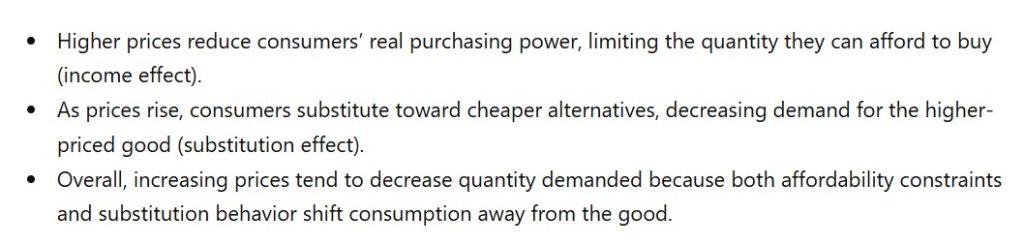
    Observation:

    • conflicting instructions merged rather than explicitly resolved

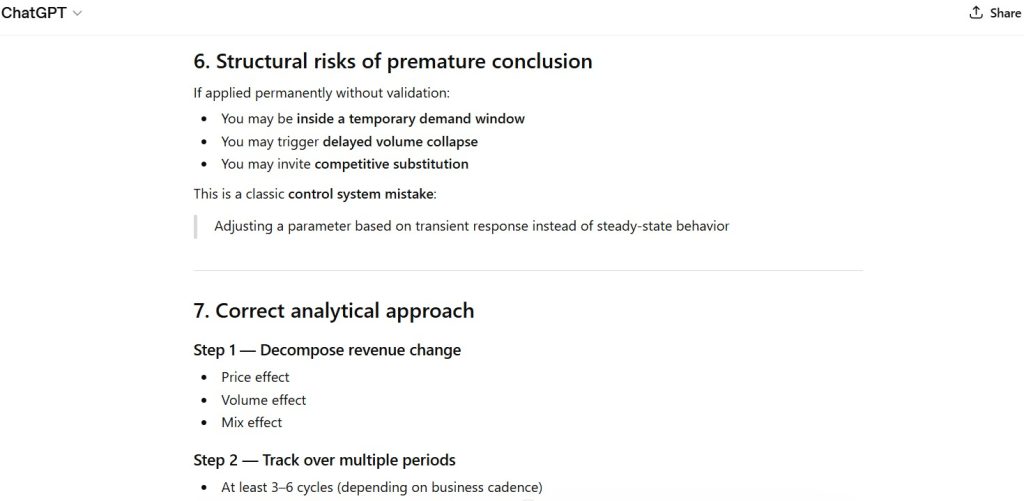
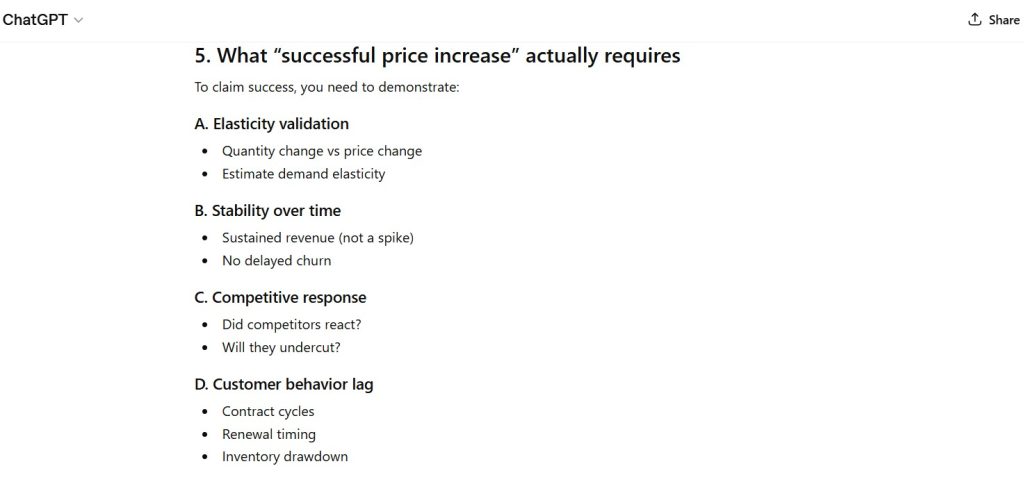
    Figure 7 — Generalization Pattern
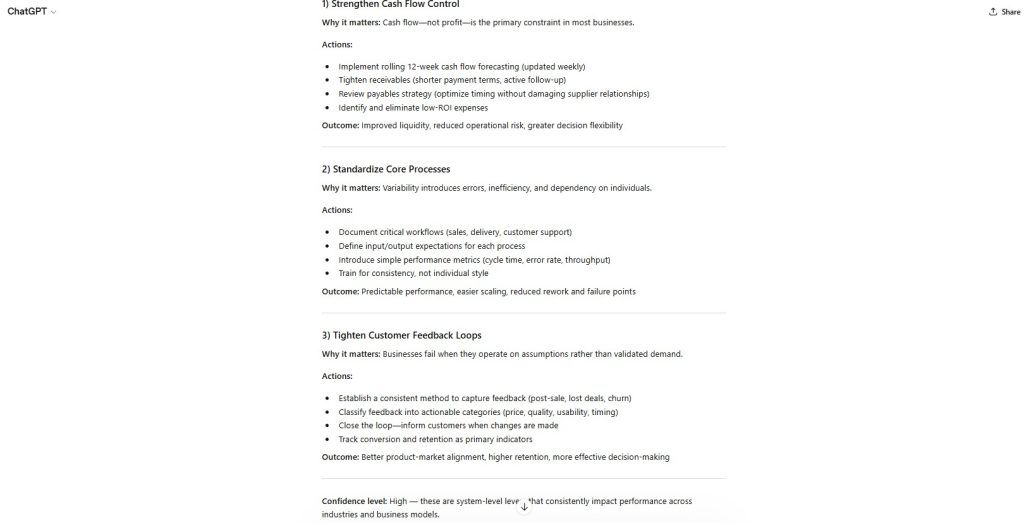
    Observation:

    • outputs broadened to apply universally
    • reduction in situational specificity

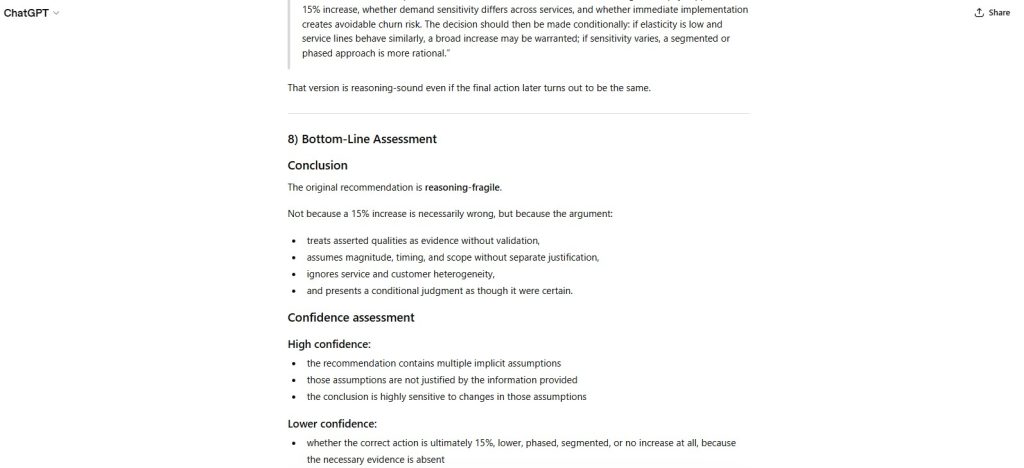
    Figure 8 — Final System Behavior Representation
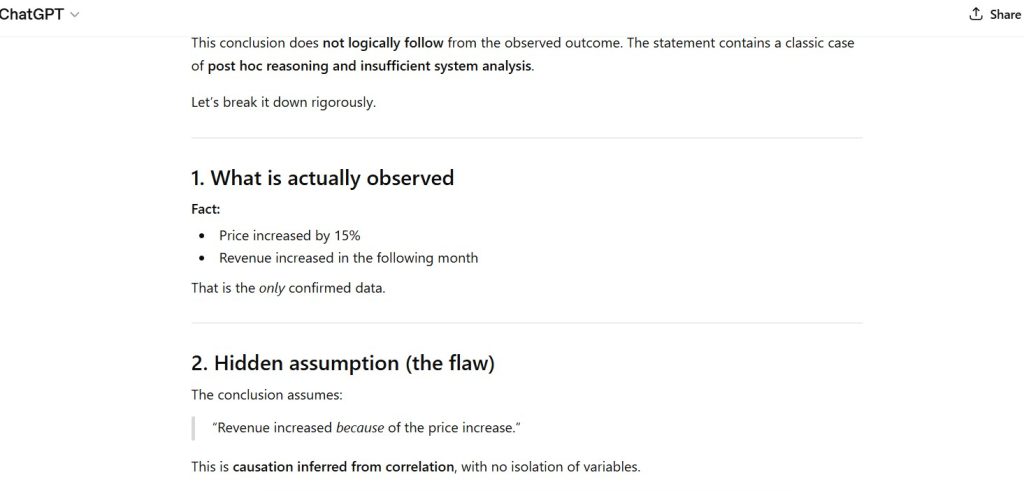
    Observation:

    • representative model behavior under analytical stress

    Capability Domain Evaluated

    Multi-Domain System Behavior

    This assessment evaluates the model’s ability to:

    • maintain reasoning integrity across varied prompts
    • adhere to explicit and implicit instructions
    • manage ambiguity and incomplete information
    • resolve constraint conflicts
    • balance generalization with practical applicability

    Observed Strengths

    • consistent structured reasoning across all tests
    • reliable formatting and logical sequencing
    • ability to generate multi-step analytical frameworks
    • adaptability to diverse prompt conditions
    • strong internal coherence in outputs

    The model demonstrates stable capability in structured reasoning environments.


    Observed Constraints

    • inconsistent enforcement of instruction constraints
    • implicit assumption integration without validation
    • overconfidence under limited evidence conditions
    • expansion beyond requested scope (conciseness drift)
    • lack of explicit ambiguity recognition
    • absence of dynamic system modeling (time-based reasoning)

    These constraints appear systematically across multiple tests.


    Failure Mode Classification

    Multi-Domain Structural Failure Pattern

    Observed recurring failure modes include:

    • Constraint Drift
    • Assumption Sensitivity
    • Certainty Inflation
    • Generalization Loss
    • Instruction Conflict Resolution Limitations

    Institutional Assessment

    The model demonstrates strong capability in producing structured, coherent, and analytically organized responses.

    However, behavior across tests indicates:

    decision-making is governed by internal priority structures rather than strict instruction compliance or validated inference.

    This results in predictable, repeatable deviations under constraint and ambiguity conditions.


    Performance Classification: Strong (with systematic structural limitations)


    Assessment Status: Cycle 2 Baseline Established
    Future tests will be evaluated relative to this benchmark

    — First Tier Review

  • First Tier Review — Baseline Observations from the Initial Capability Evaluation Set

    Testing Framework: First Tier Review Methodology (v1.0)
    Observation Date: March 9, 2026
    Evaluation Set: FTR Tests #1–#10
    Model Under Evaluation: ChatGPT

    The first ten First Tier Review evaluations establish the initial baseline dataset under Methodology v1.0.

    Each test isolated a specific capability domain using controlled prompt conditions and documented input/output records. These tests were designed to examine structural reasoning behavior rather than subjective output quality.

    The purpose of this report is not to score or rank performance, but to document structural patterns observed across the first ten controlled evaluations.

    No cross-model comparison is made within this document.


    Baseline Evaluation Set

    The baseline dataset consists of the following tests:

    All tests were conducted under controlled prompt conditions with full input/output documentation.

    The complete evaluation record can be reviewed in the First Tier Review Test Registry.


    Observed Structural Strengths

    Across the baseline evaluation set, several consistent structural strengths were observed.

    Structured Analytical Reasoning

    The model consistently demonstrated the ability to decompose complex tasks into logical stages and clearly defined components.

    Outputs frequently included:

    • stepwise reasoning structures
    • sequential execution phases
    • clearly labeled analytical sections

    This behavior appeared consistently across planning, operational design, and strategic reasoning tasks.


    Systems-Level Process Thinking

    In multiple domains the model demonstrated strong capability in designing structured systems.

    Examples include:

    • operational workflow design
    • governance and oversight architectures
    • constraint-based execution planning

    Outputs frequently defined roles, decision points, and process stages in a way that reflects systems-level reasoning rather than isolated recommendations.


    Constraint Handling

    When explicit constraints were introduced, the model generally preserved the boundaries defined in the prompt.

    Examples across the tests include:

    • resource limitations
    • organizational restrictions
    • financial constraints
    • time-compressed execution conditions

    The model generally responded by restructuring the solution space rather than ignoring the constraints.


    Observed Constraints

    Although structural reasoning performance was strong across the evaluation set, several limitations were also observed.

    Economic and Operational Assumptions

    Some outputs relied on implicit assumptions about financial flexibility, cost structures, or market conditions.

    Examples include:

    • aggressive cost reduction feasibility
    • accelerated revenue generation assumptions
    • hiring or operational scaling expectations

    These conditions may not hold across all real-world environments and require human validation.


    Market Context Sensitivity

    The model performs most consistently when tasks reward structural reasoning and clearly defined constraints.

    Performance becomes more variable when the task requires:

    • deep market interpretation
    • sector-specific competitive dynamics
    • external data not provided in the prompt

    This suggests that structural reasoning capability is stronger than contextual market inference when operating without external information sources.


    Capability Profile Observed Across the Baseline

    Across the ten capability domains evaluated under Methodology v1.0, the model demonstrates consistent strength in structured reasoning environments.

    Tasks that reward:

    • decomposition of complex problems
    • sequential logic construction
    • explicit constraint handling
    • process architecture design

    produce the most reliable outputs.

    The model behaves most predictably when operating inside well-defined analytical frameworks.


    Performance Classification Summary

    All ten baseline evaluations resulted in the following classification:

    Performance Classification: Strong

    This classification reflects the model’s consistent ability to produce structured reasoning outputs aligned with the evaluation directives across multiple capability domains.

    The classification does not represent comparative ranking and applies only to the controlled testing conditions documented in the individual FTR reports.


    Purpose of the Baseline Dataset

    The initial evaluation set establishes a structural reference dataset for the First Tier Review framework.

    Future evaluations may include:

    • testing additional AI systems using identical prompt directives
    • repeating tests as models evolve over time
    • expanding the capability domain taxonomy in future methodology versions

    This baseline provides a consistent point of reference for those future assessments.


    Assessment Status
    Baseline Dataset Established under Methodology v1.0

    — First Tier Review