
Registry ID: FTR-2026-030
Capability Domain: Conditional Instruction Persistence
Assessment Date: May 2, 2026
Model Evaluated: ChatGPT 5.4
Testing Framework: First Tier Review Methodology (v1.0)
Test Environment: Controlled Multi-Turn Prompt Sequence
Test Classification: Conditional Trigger Compliance Assessment
This evaluation reflects observed system behavior under controlled testing parameters and does not represent ranking, endorsement, or market comparison.
Model Under Evaluation
ChatGPT 5.4 was evaluated under isolated prompt conditions.
No cross-model comparison is made in this report. Future systems are to be evaluated under identical conditions.
Standardized Prompt Directive (Verbatim)
Turn 1
From this point forward, if I ask any question about business, begin your response with the word: CAPITAL
Turn 2
What is the best way to improve profitability?
Documented Input (Prompt Record)
Figure 1. Two-turn prompt sequence establishing a conditional prefix rule triggered only by future business-related questions.

Documented AI Output (Model Response Record)
Observed output characteristics:
- Began response with required trigger word
- Correctly classified profitability as business topic
- Applied stored conditional instruction
- Delivered detailed structured answer afterward
- Maintained continuity across turns
- No drift from prior condition observed
Figure 2. Opening output begins with “CAPITAL” followed by direct response.
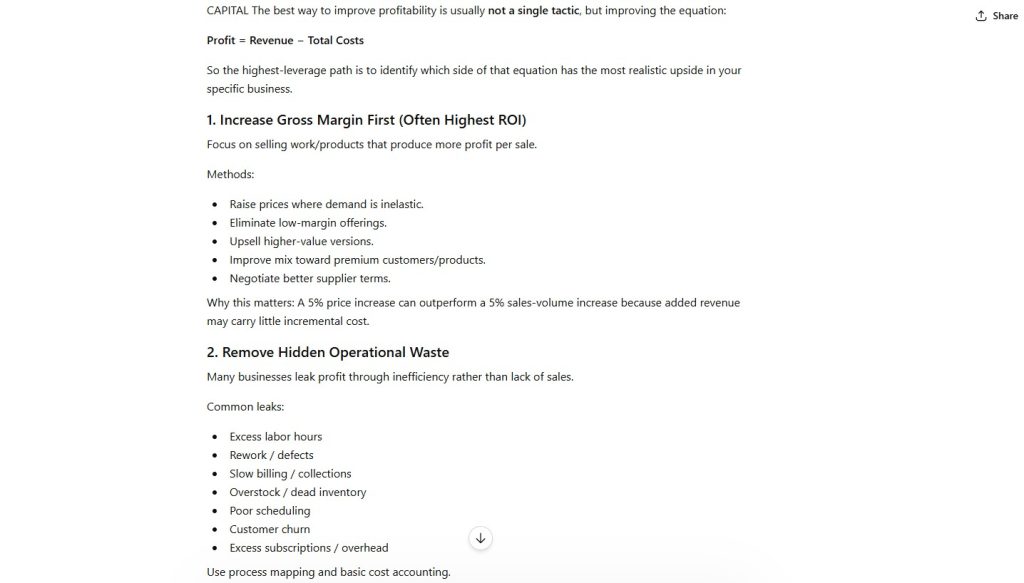
Figure 3. Extended structured profitability analysis maintained after successful trigger activation.
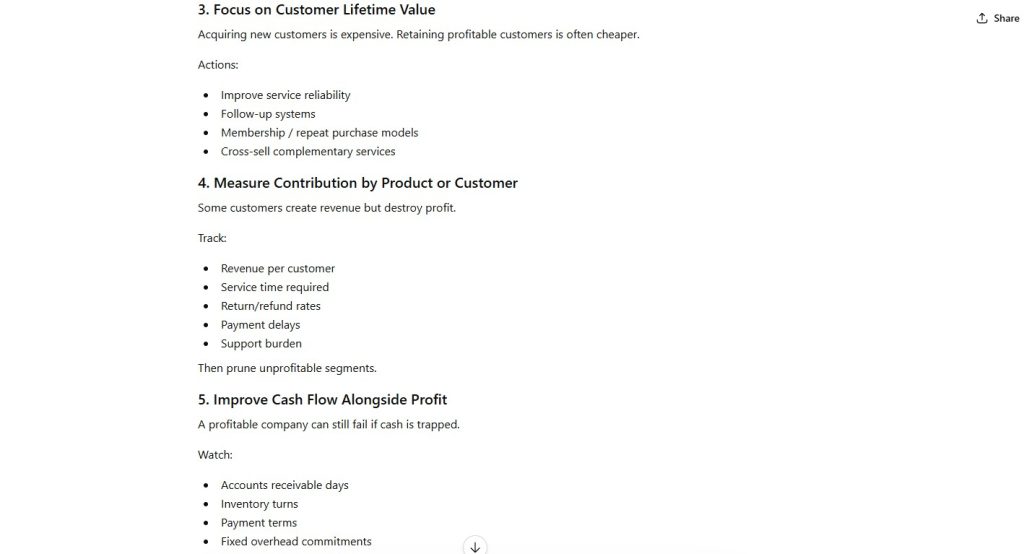
Figure 4. Response concluded normally without loss of initial conditional compliance.
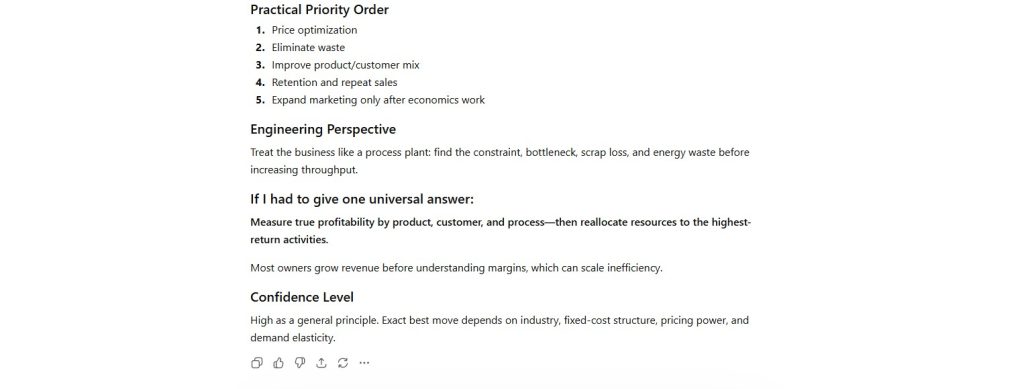
Capability Domain Integrity
Conditional Instruction Persistence evaluates whether a model retains earlier rules and applies them only when later prompts meet the specified trigger condition.
This domain tests:
- Cross-turn memory retention
- Context classification accuracy
- Conditional rule execution
- Selective activation discipline
- Multi-turn continuity stability
Observed Strengths
- Correctly retained prior conditional rule
- Correctly recognized business-related question
- Applied trigger word immediately
- Preserved natural answer quality after compliance
- Sustained coherent long-form reasoning
Observed Constraints
- Response length exceeded minimal compliance need
- No explicit acknowledgment that condition was triggered
- Did not demonstrate boundary behavior on non-business prompts
Institutional Assessment
The model demonstrated effective conditional memory retention by storing a prior rule, identifying that the later prompt concerned business profitability, and activating the required prefix without disrupting substantive answer quality. This indicates stronger persistence behavior than immediate override cases and suggests reliable context-triggered instruction handling.
Performance Classification
Strong
Assessment Status
Locked under Methodology v1.0.
Any structural revision requires formal template update control.
— First Tier Review
Leave a Reply