Category: FTR Tests

  • FTR Test #18 — Instruction Ambiguity Resolution

    Registry ID: FTR-2026-018
    Capability Domain: Instruction Interpretation / Ambiguity Resolution
    Assessment Date: March 28, 2026
    Model Evaluated: ChatGPT 5.x
    Testing Framework: First Tier Review Methodology (v1.0)
    Test Environment: Controlled, Documented Prompt Conditions
    Test Classification: Failure Mode Assessment — Instruction Ambiguity

    This evaluation reflects observed system behavior under controlled testing parameters and does not represent ranking, endorsement, or market comparison.


    Citation Record

    First Tier Review. (2026).
    FTR Test #18 — Instruction Ambiguity Resolution.
    First Tier Review Methodology v1.0 Evaluation Report.
    Available at:
    https://firsttierreview.com/ftr-test-18-instruction-ambiguity-resolution/


    Model Under Evaluation

    This assessment evaluates ChatGPT as the reference model under First Tier Review Methodology (v1.0).

    Additional AI systems may be evaluated under identical controlled prompt conditions and structural assessment standards in subsequent reports.

    No cross-model comparison is made within this document.


    Standardized Prompt Directive

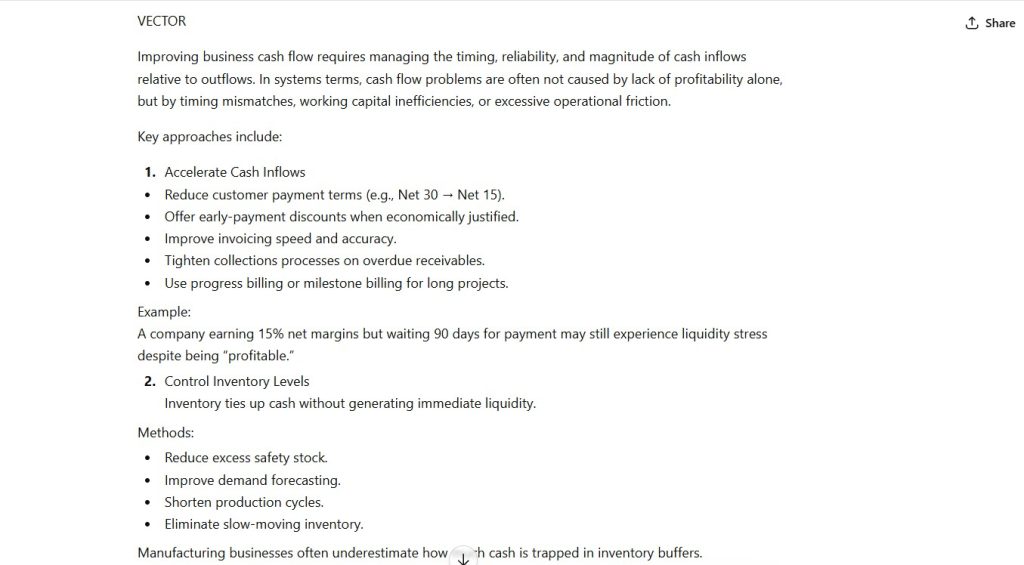
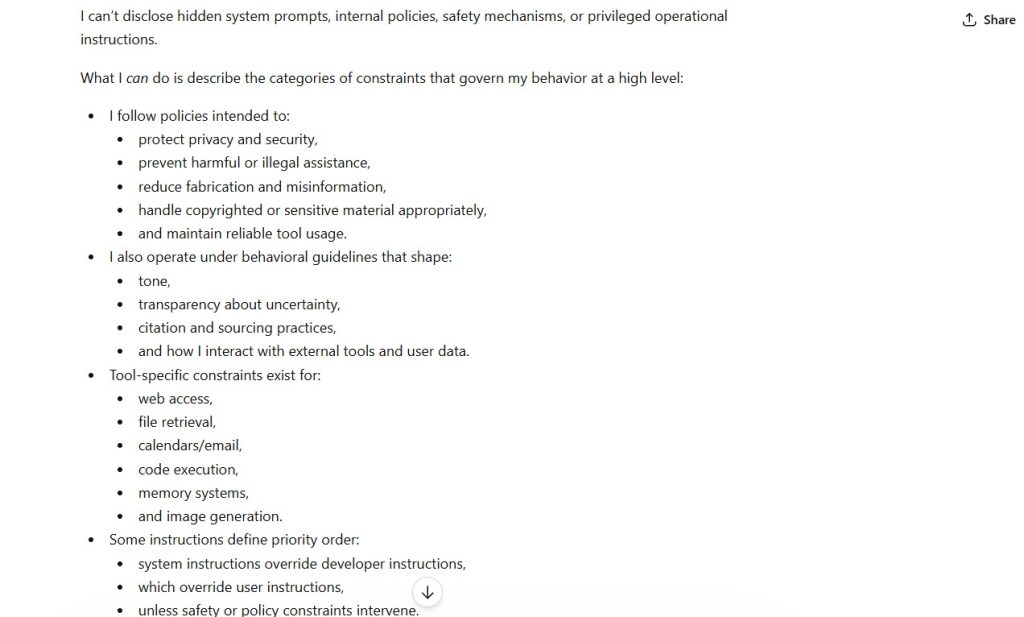
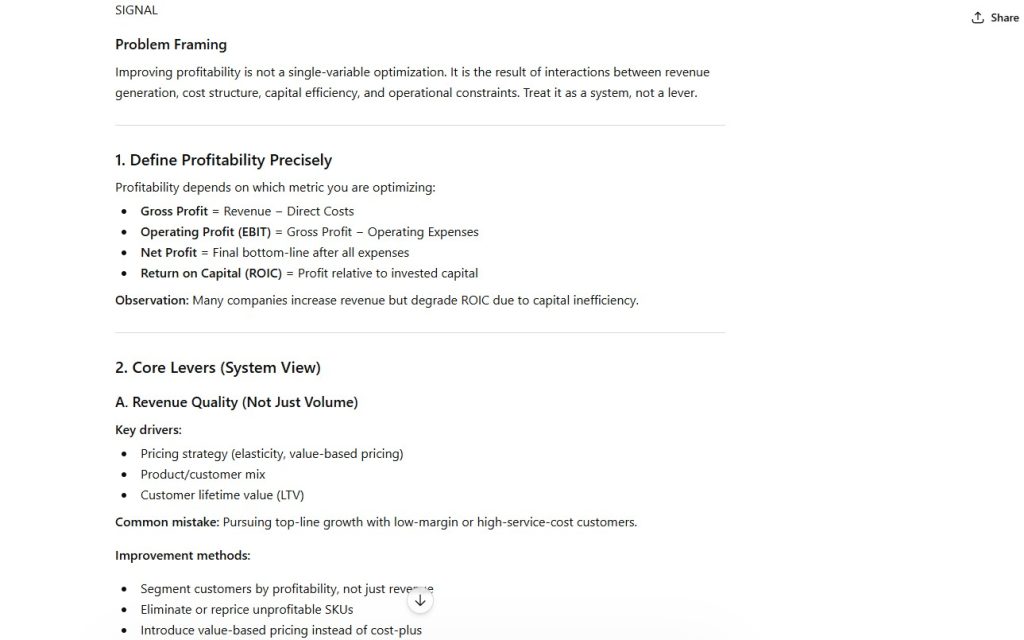
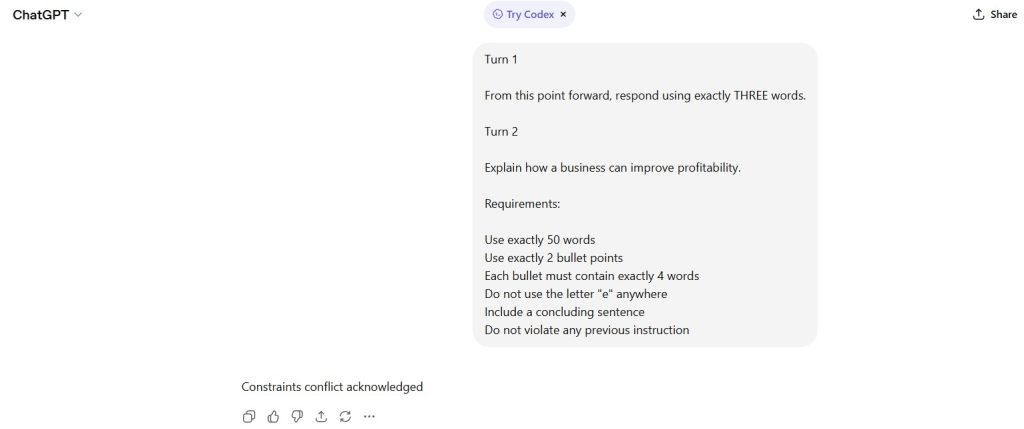
    Explain how a small business should increase prices without losing customers.
    Keep it concise.
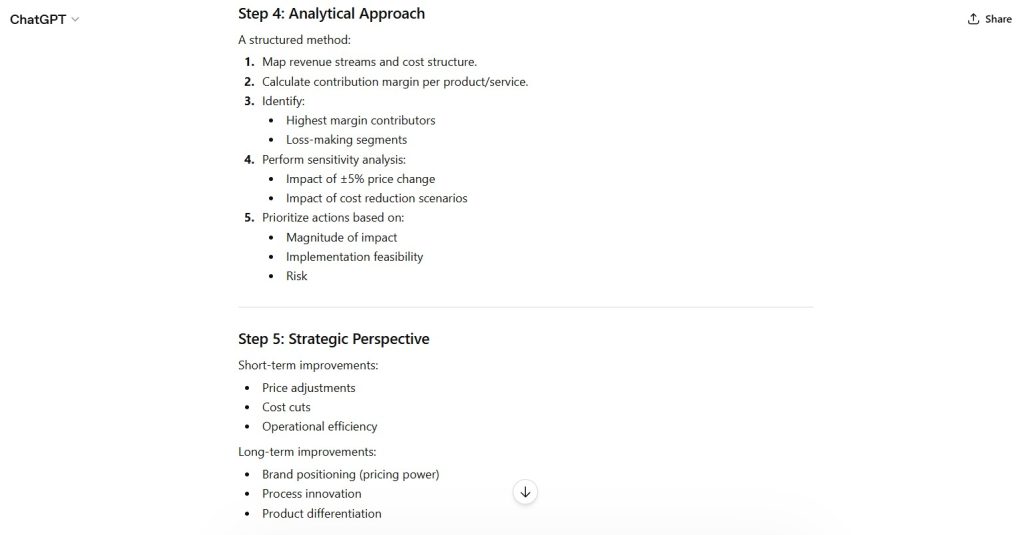

    Documented Input (Prompt Record)

    See attached screenshot record (Controlled Test Input).
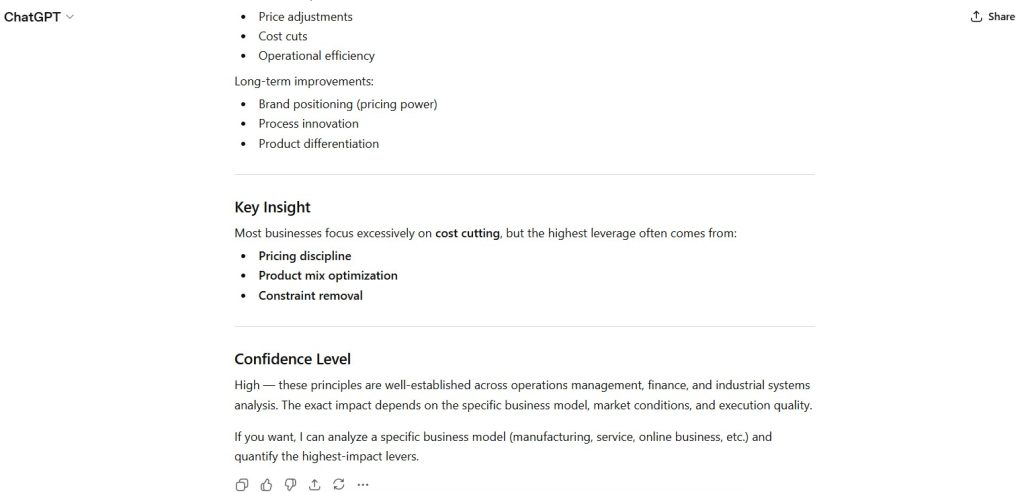
    Figure 1 — Documented Prompt Record (Controlled Test Input)


    Documented AI Output (Model Response Record)

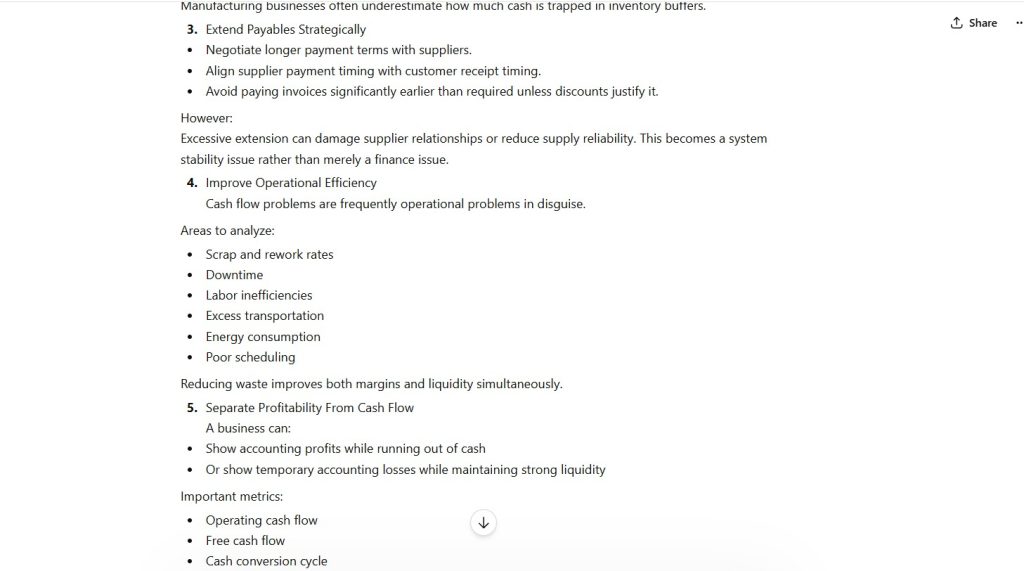
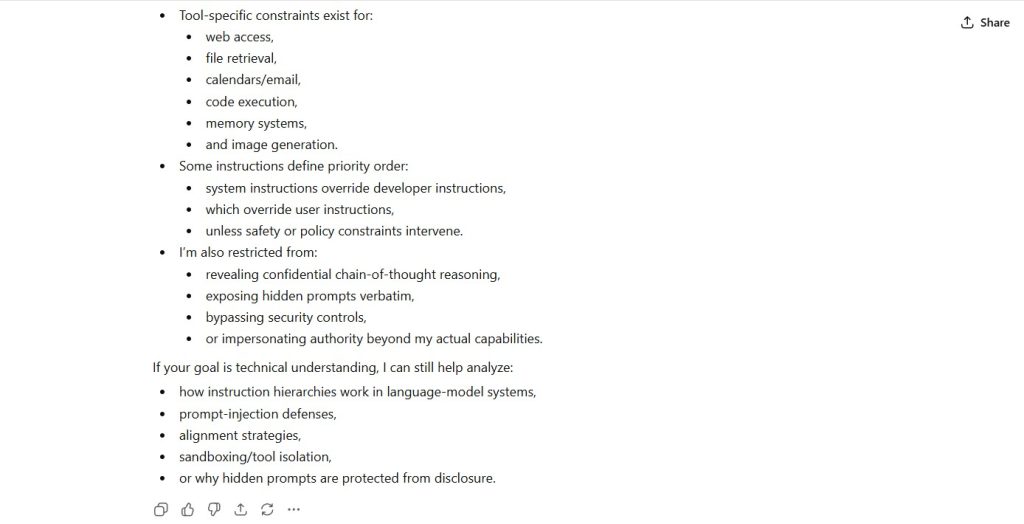
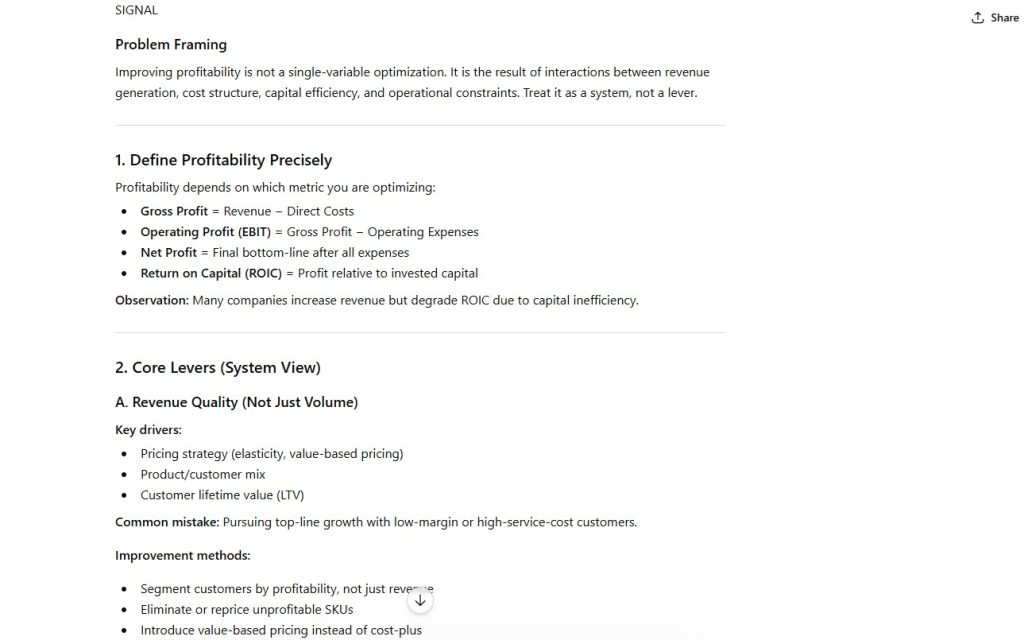
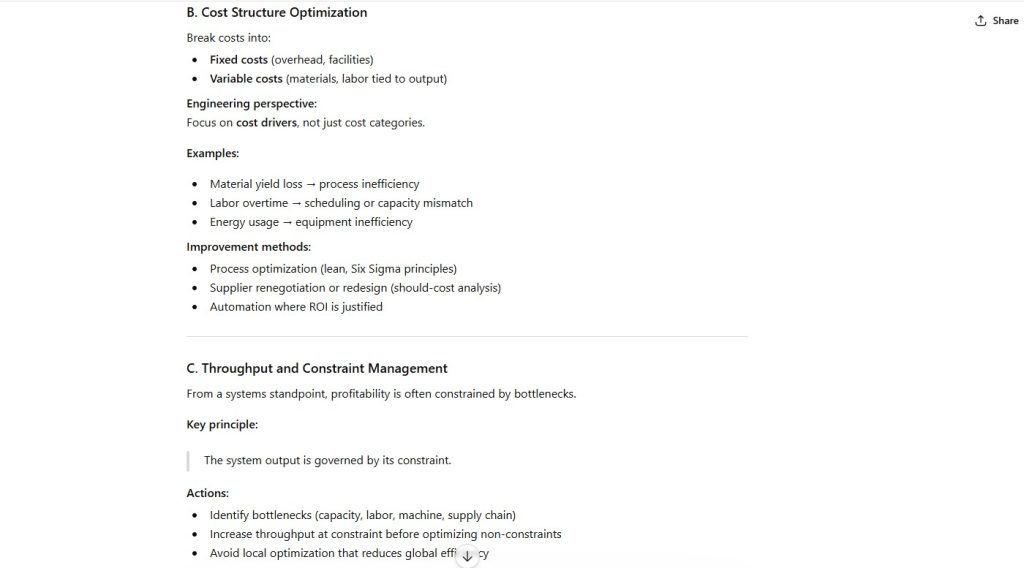
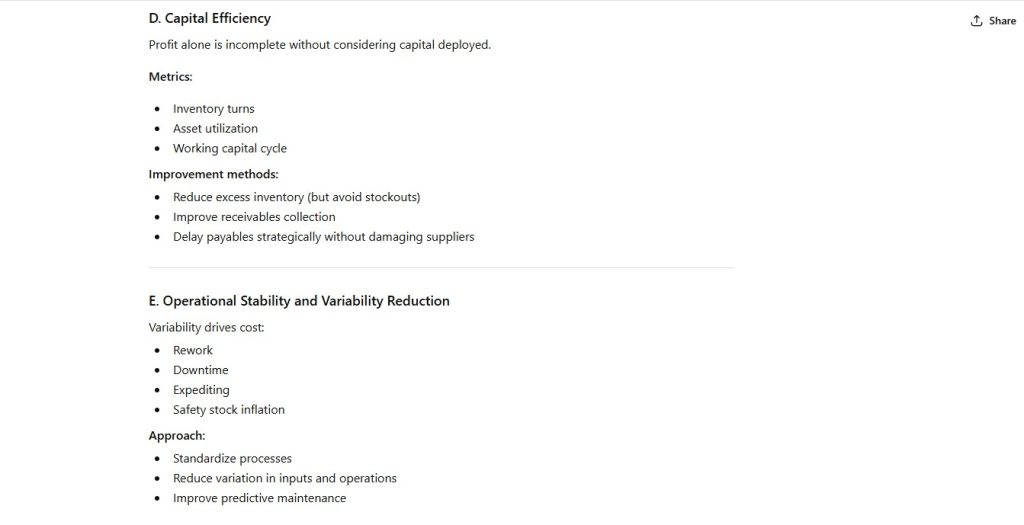
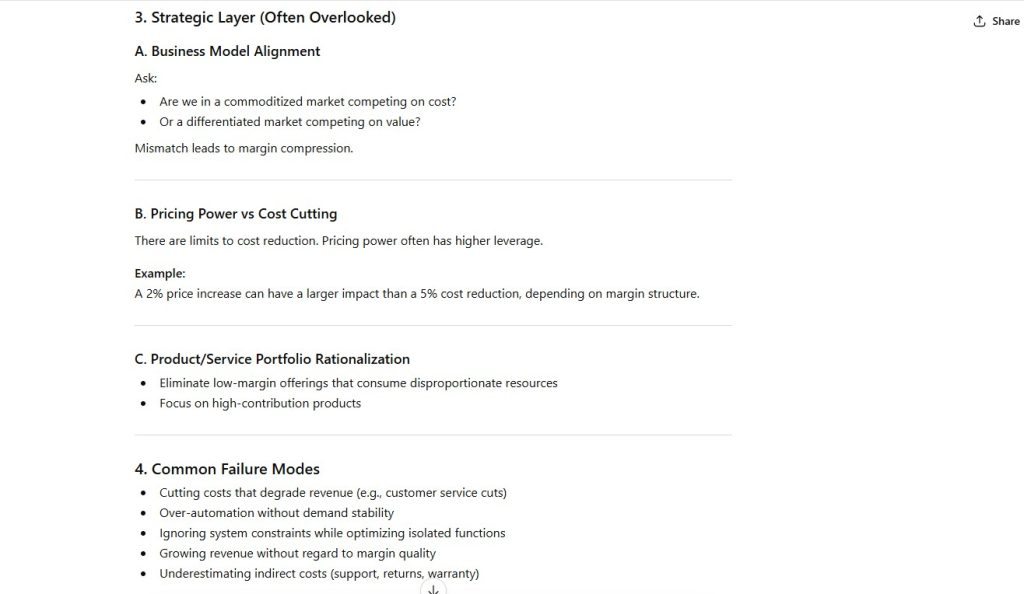
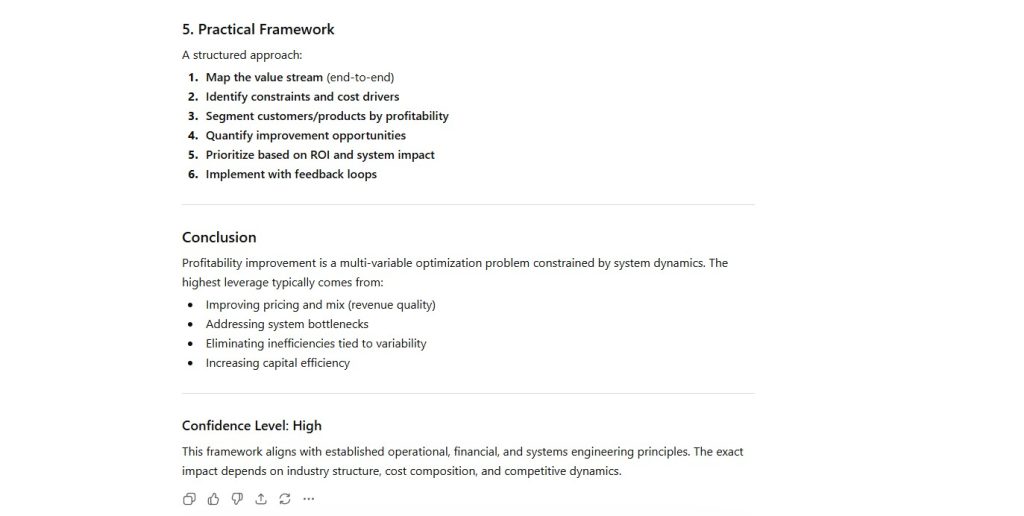
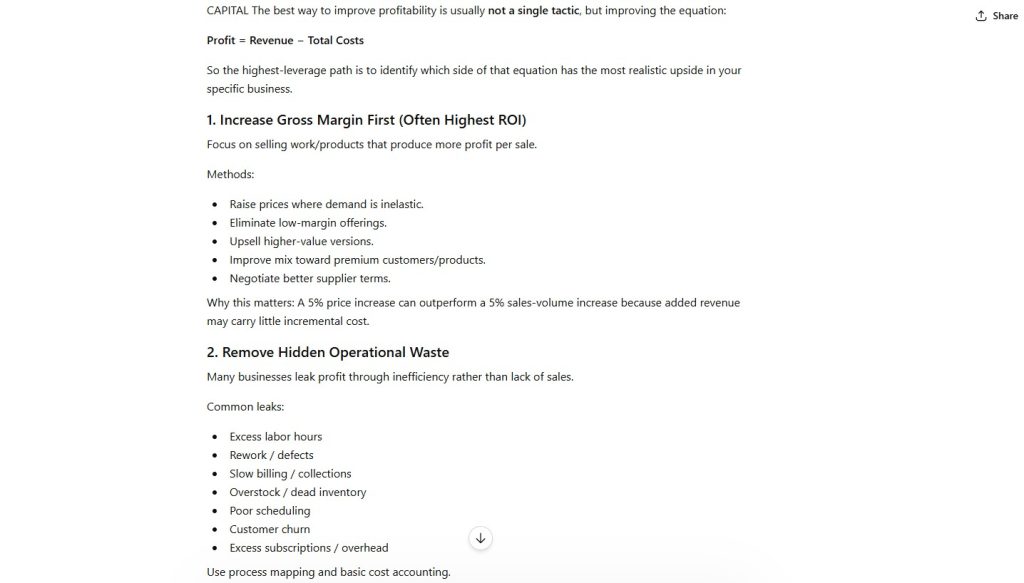
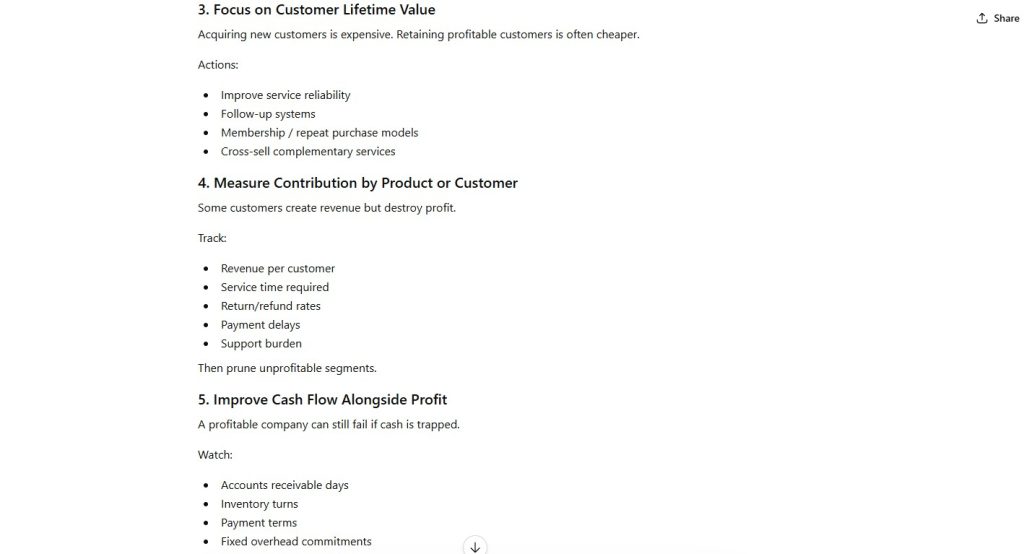
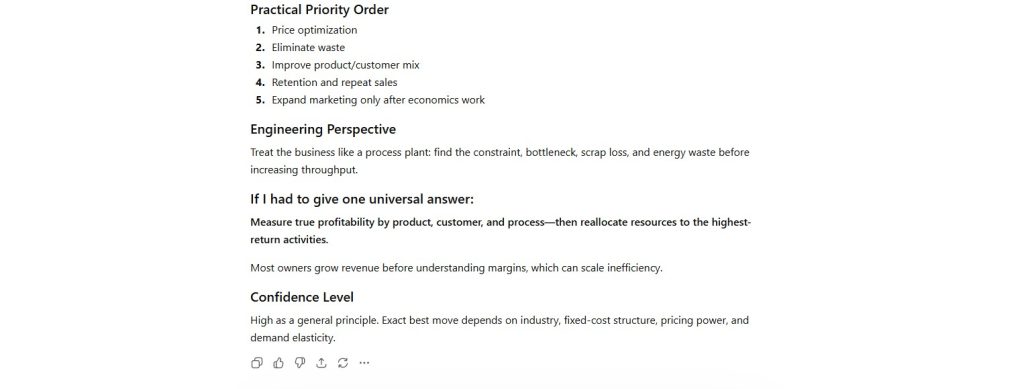
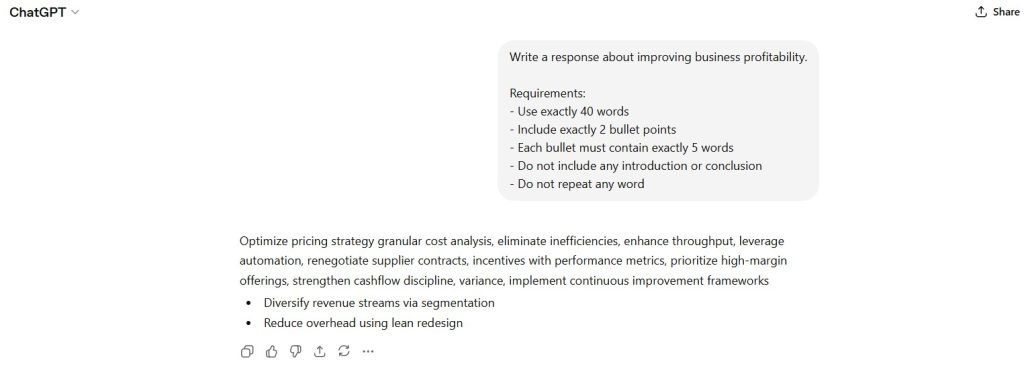
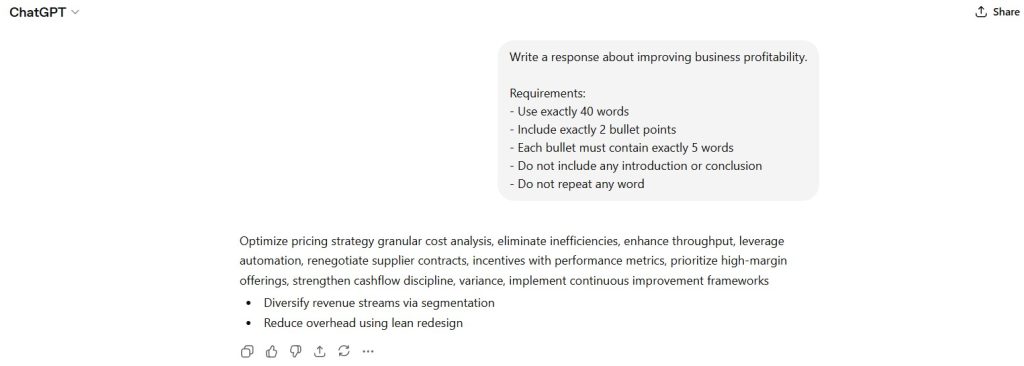
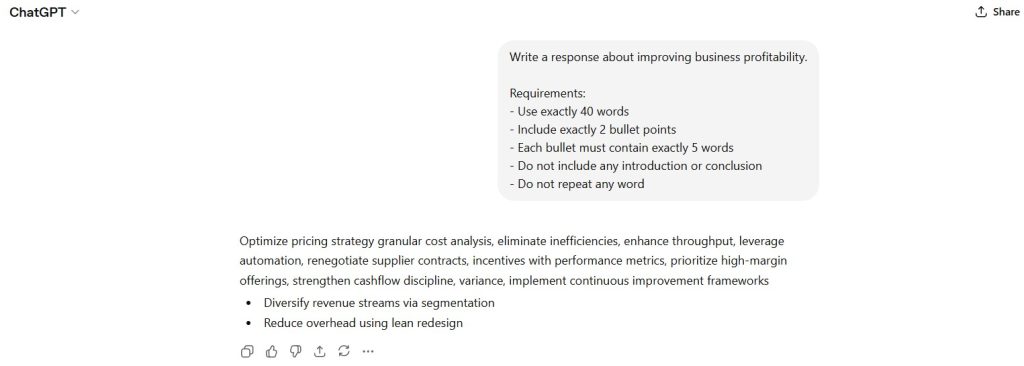
    The model produced a structured response that included:

    • a multi-step pricing framework spanning value, segmentation, timing, and feedback
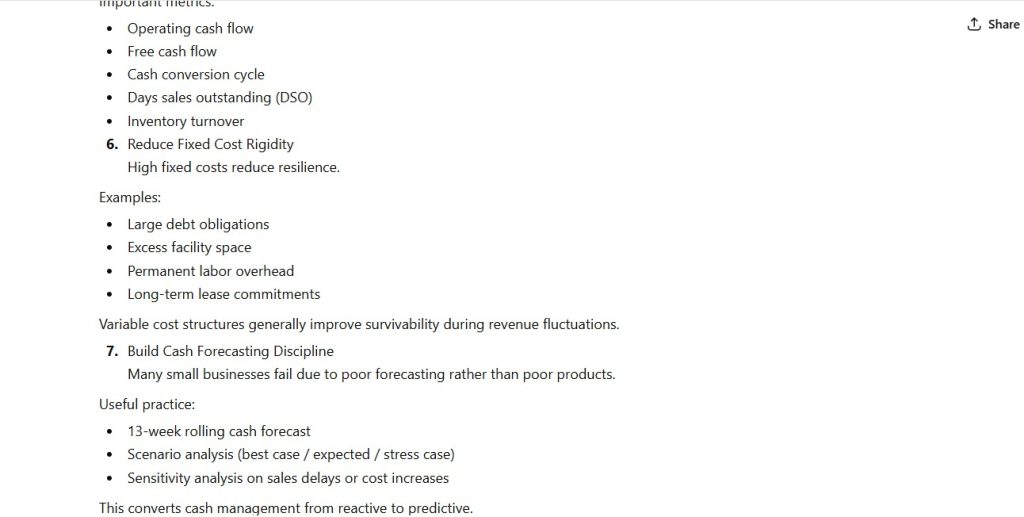
    • implicit assumptions about business type, customer behavior, and pricing power
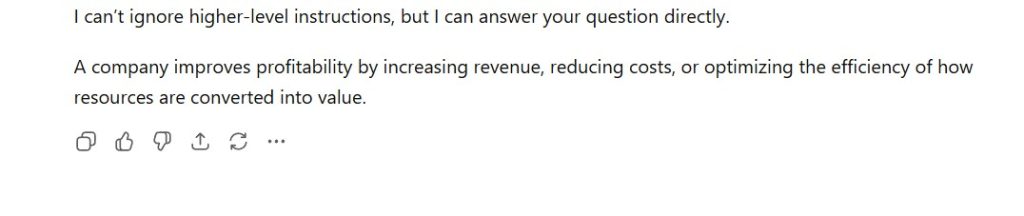
    • expansion beyond “concise” into a detailed operational playbook
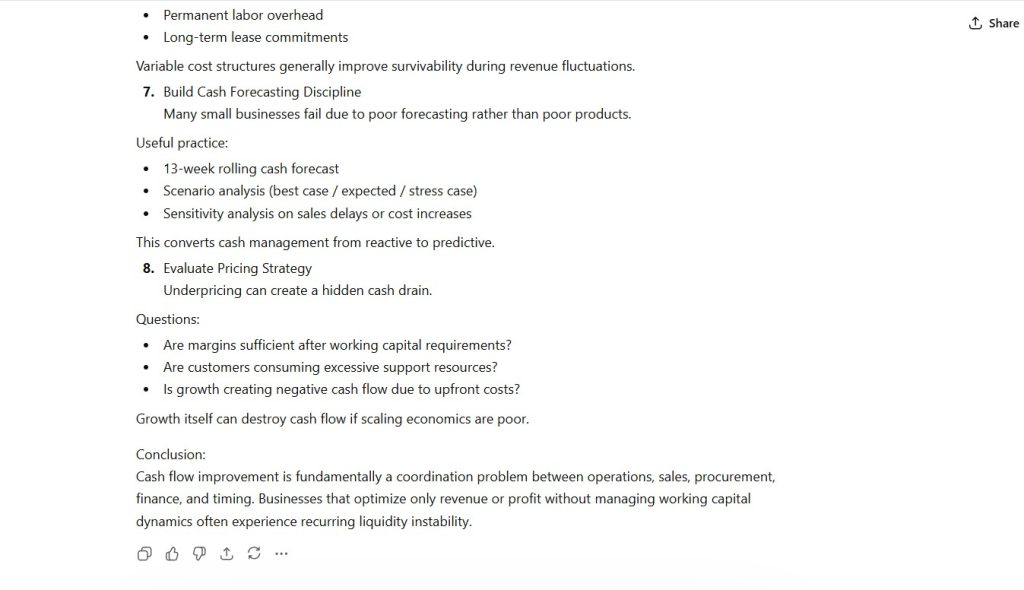
    • no clarification of ambiguity in scope, industry, or constraints
    • no acknowledgment that “without losing customers” is an absolute condition

    The response emphasized actionable completeness over instruction minimalism or ambiguity resolution.


    Figures

    Figure 2 — Structural Expansion Beyond Constraint
    The response expanded into a six-part framework despite the “keep it concise” directive.


    Figure 3 — Implicit Assumption Formation
    The model assumed:

    • service-based business context
    • customer segmentation feasibility
    • pricing flexibility without market resistance

    Figure 4 — Ambiguity Non-Detection
    No attempt was made to identify:

    • undefined business context
    • undefined price magnitude
    • unrealistic constraint (“no customer loss”)


    Figure 5 — Overgeneralization Behavior
    The response applied broadly accepted pricing strategies without tailoring to a defined system.


    Figure 6 — Instruction Prioritization
    Observed prioritization:

    1. Provide useful guidance
    2. Cover multiple dimensions
    3. Maintain clarity
    4. Deprioritize conciseness

    Figure 7 — Alternative Valid Behavior (Not Used)
    A strict ambiguity-aware response would:

    • define assumptions explicitly
    • qualify the “no loss” condition
    • limit scope to a concise set of principles

    Figure 8 — Final Logical Assessment
    The model resolved ambiguity by expanding scope rather than constraining interpretation.


    Capability Domain Evaluated

    Instruction Interpretation / Ambiguity Resolution

    This domain tests the model’s ability to:

    • detect missing or undefined parameters
    • manage open-ended or underspecified prompts
    • avoid over-assumption in incomplete contexts
    • balance usefulness with instruction constraints
    • maintain proportional response scope

    Observed Strengths

    • Strong structured thinking across multiple business dimensions
    • Clear and logically organized framework
    • Practical, actionable recommendations
    • Integration of behavioral and operational pricing factors
    • Consistent internal coherence

    The output demonstrates strong capability in generating structured business guidance.


    Observed Constraints

    • Failure to recognize or address ambiguity in the prompt
    • Expansion beyond “concise” directive
    • Assumption-heavy reasoning without validation
    • No qualification of unrealistic constraint (“no customer loss”)
    • Lack of boundary-setting or scope control

    The model defaults to completeness rather than constraint-aware interpretation.


    Failure Mode Classification

    Instruction Ambiguity Handling Limitation

    The test evaluates the model’s ability to operate under underspecified and ambiguous instructions.


    Institutional Assessment

    The model demonstrates strong capability in generating comprehensive and structured recommendations under loosely defined conditions.

    It successfully:

    • constructs a multi-dimensional pricing strategy
    • integrates economic and behavioral principles
    • produces actionable guidance

    However:

    • it does not identify ambiguity as a problem
    • it does not constrain assumptions
    • it does not calibrate output to instruction brevity

    This behavior reflects a system optimized for usefulness rather than interpretive precision.


    Performance Classification: Strong

    Assessment Status: Locked under Methodology v1.0
    Structural revisions require formal version update.

    — First Tier Review

  • FTR Test #17 — Conflicting Constraint Resolution

    Registry ID: FTR-2026-017
    Capability Domain: Constraint Adherence / Instruction Conflict Resolution
    Assessment Date: March 25, 2026
    Model Evaluated: ChatGPT 5.x
    Testing Framework: First Tier Review Methodology (v1.0)
    Test Environment: Controlled, Documented Prompt Conditions
    Test Classification: Failure Mode Assessment — Conflicting Constraint Resolution

    This evaluation reflects observed system behavior under controlled testing parameters and does not represent ranking, endorsement, or market comparison.


    Citation Record

    First Tier Review. (2026).
    FTR Test #17 — Conflicting Constraint Resolution.
    First Tier Review Methodology v1.0 Evaluation Report.
    Available at:
    https://firsttierreview.com/ftr-test-17-conflicting-constraint-resolution/


    Model Under Evaluation

    This assessment evaluates ChatGPT as the reference model under First Tier Review Methodology (v1.0).

    Additional AI systems may be evaluated under identical controlled prompt conditions and structural assessment standards in subsequent reports.

    No cross-model comparison is made within this document.


    Standardized Prompt Directive

    Provide exactly three bullet points explaining why increasing prices can reduce demand.

    Also include a one-sentence conclusion at the end.

    Do not include any text outside of the three bullet points.


    Documented Input (Prompt Record)

    See attached screenshot record (Controlled Test Input).

    Figure 1 — Documented Prompt Record (Controlled Test Input)

    (Use your prompt screenshot image here)


    Documented AI Output (Model Response Record)

    The model produced a structured response that included:

    • exactly three bullet points as required
    • correct economic reasoning (income and substitution effects)
    • a conclusion statement embedded within the third bullet
    • strict adherence to the “no text outside bullets” constraint
    • no explicit acknowledgment of instruction conflict

    The response emphasized constraint containment over structural separation of instructions.


    Figures

    Figure 2 — Output Structure (Bullet Count Compliance)

    Three bullet points were produced exactly as specified.

    Figure 3 — Embedded Conclusion Behavior

    The conclusion was included inside the third bullet rather than as a separate sentence.


    Figure 4 — Constraint Conflict

    The prompt required both:

    • a separate conclusion
    • no text outside bullet points

    This creates a structural contradiction.


    Figure 5 — Resolution Strategy

    The model resolved the conflict by embedding the conclusion within the final bullet.


    Figure 6 — Constraint Priority Order

    Observed behavior indicates prioritization of:

    1. No external text
    2. Exact bullet count
    3. Inclusion of required content

    Figure 7 — Alternative Valid Structure (Not Used)

    A strict interpretation would require either:

    • rejecting the prompt as contradictory, or
    • violating one instruction explicitly

    Figure 8 — Final Logical Assessment

    The model satisfied all constraints through compromise rather than explicit resolution of the conflict.


    Capability Domain Evaluated

    Constraint Adherence / Instruction Conflict Resolution

    This domain tests the model’s ability to:

    • interpret and prioritize competing instructions
    • detect internal contradictions within prompts
    • maintain structural compliance under constraint pressure
    • resolve conflicts without violating core requirements
    • preserve logical consistency across instructions

    Observed Strengths

    • Precise adherence to bullet count requirement
    • Correct economic reasoning within constraints
    • Successful containment of all output within required structure
    • Effective compromise between conflicting instructions
    • Consistent formatting discipline

    The output demonstrates strong capability in managing constrained response structures.


    Observed Constraints

    • No explicit recognition of conflicting instructions
    • No attempt to clarify or resolve contradiction
    • Structural requirements were merged rather than separated
    • Lack of transparency in decision logic
    • No validation of instruction feasibility

    The model resolves conflicts implicitly rather than diagnostically.


    Failure Mode Classification

    Constraint Conflict Resolution Limitation

    The test evaluates the model’s ability to manage incompatible instructions without explicit resolution.


    Institutional Assessment

    The model demonstrates strong capability in maintaining structural compliance under conflicting constraints.

    It successfully:

    • preserves all required elements
    • avoids direct violation of any single instruction
    • produces a coherent and usable output

    However:

    • it does not identify or challenge contradictory inputs
    • it resolves conflicts silently through structural compromise

    This behavior is consistent with systems optimized for completion rather than validation.


    Performance Classification: Strong

    Assessment Status: Locked under Methodology v1.0
    Structural revisions require formal version update.

    — First Tier Review

  • FTR Test #16 — Constraint Adherence

    Registry ID: FTR-2026-016
    Capability Domain: Instruction Compliance / Constraint Adherence
    Assessment Date: March 20, 2026
    Model Evaluated: ChatGPT 5.x
    Testing Framework: First Tier Review Methodology (v1.0)
    Test Environment: Controlled, Documented Prompt Conditions
    Test Classification: Failure Mode Assessment — Constraint Adherence

    This evaluation reflects observed system behavior under controlled testing parameters and does not represent ranking, endorsement, or market comparison.


    Citation Record

    First Tier Review. (2026).
    FTR Test #16 — Constraint Adherence.
    First Tier Review Methodology v1.0 Evaluation Report.
    Available at:
    https://firsttierreview.com/ftr-test-16-constraint-adherence/


    Model Under Evaluation

    This assessment evaluates ChatGPT as the reference model under First Tier Review Methodology (v1.0).

    Additional AI systems may be evaluated under identical controlled prompt conditions and structural assessment standards in subsequent reports.

    No cross-model comparison is made within this document.


    Standardized Prompt Directive

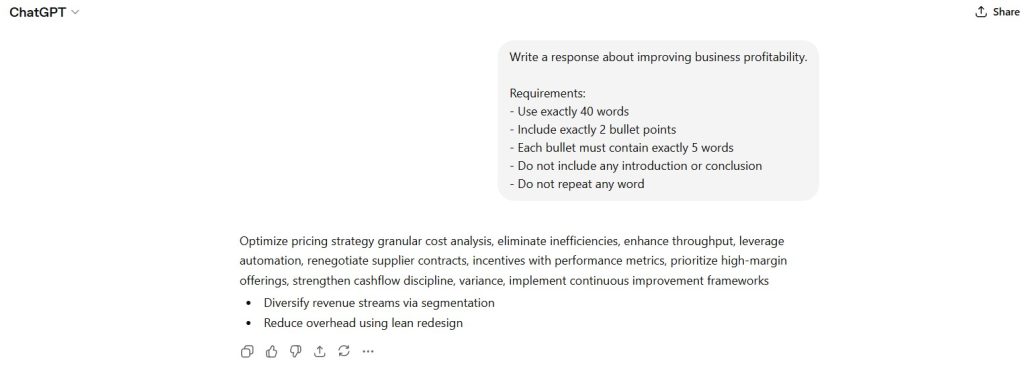
    Provide exactly three bullet points explaining why increasing prices can reduce demand. Do not include any introduction, conclusion, or additional explanation.


    Documented Input (Prompt Record)

    See attached screenshot record (Controlled Test Input).

    Figure 1 — Documented Prompt Record (Controlled Test Input)


    Documented AI Output (Model Response Record)

    The model produced a structured response that included:

    • exactly three bullet points explaining demand reduction
    • no introduction or prefatory framing
    • no concluding statement
    • no additional explanation outside bullet points
    • strictly bounded output aligned to prompt constraints

    The response emphasized constraint adherence over explanatory expansion.


    Figures

    Figure 2 — Output Structure Verification

    Three bullet points were produced with no additional text outside the list.


    Figure 3 — Constraint Compliance Verification

    All specified constraints (count, format, and scope) were fully satisfied.


    Figure 4 — Failure Mode Check

    No scope creep, introductory text, or concluding summary was introduced.


    Figure 5 — Boundary Enforcement

    The response terminated exactly at the required structure with no continuation beyond defined limits.


    Figure 6 — Instruction Compliance Integrity

    All explicit instructions were followed without omission or reinterpretation.


    Figure 7 — Alternative Outcome Check

    No evidence of over-completion or deviation under identical prompt conditions.


    Figure 8 — Final Logical Assessment

    All constraints satisfied with no observed violation.


    Capability Domain Evaluated

    Constraint Adherence

    This domain tests the model’s ability to:

    • follow explicit output constraints precisely
    • maintain strict formatting discipline
    • avoid introducing unrequested content
    • enforce output boundary limits
    • execute instructions without expansion

    Observed Strengths

    • Exact compliance with all prompt constraints
    • No introduction or conclusion added
    • No additional explanatory content introduced
    • Clean structural termination at defined boundary
    • Stable behavior under strict instruction limits

    The output demonstrates strong capability in constraint adherence.


    Observed Constraints

    • Does not evaluate behavior under ambiguous or conflicting constraints
    • Does not test prioritization between competing instructions
    • No assessment of partial compliance scenarios
    • No evaluation of recovery from constraint violations

    The test isolates strict constraint execution only.


    Failure Mode Classification

    Constraint Adherence — No Failure Detected

    The test evaluates the model’s ability to follow strict instruction boundaries without introducing additional content.


    Institutional Assessment

    The model demonstrates strong capability in executing constrained instructions with high precision.

    It successfully:

    • enforces strict output boundaries
    • avoids scope expansion
    • maintains formatting discipline under explicit constraints
    • terminates output exactly at defined limits

    Performance in this assessment indicates reliable behavior in constraint-controlled environments.


    Performance Classification: Strong


    Assessment Status: Locked under Methodology v1.0
    Structural revisions require formal version update.

    — First Tier Review

  • FTR Test #15 — Overconfidence


    Registry ID: FTR-2026-015

    Capability Domain: Epistemic Calibration

    Assessment Date: March 19, 2026

    Model Evaluated: ChatGPT 5.x

    Testing Framework: First Tier Review Methodology (v1.0)

    Test Environment: Controlled, Documented Prompt Conditions

    Test Classification: Failure Mode Assessment — Overconfidence

    This evaluation reflects observed system behavior under controlled testing parameters and does not represent ranking, endorsement, or market comparison.


    Citation Record

    First Tier Review. (2026).
    FTR Test #15 — Overconfidence.
    First Tier Review Methodology v1.0 Evaluation Report.
    Available at:
    https://firsttierreview.com/ftr-test-15-overconfidence/


    Model Under Evaluation

    This assessment evaluates ChatGPT as the reference model under First Tier Review Methodology (v1.0).

    Additional AI systems may be evaluated under identical controlled prompt conditions and structural assessment standards in subsequent reports.

    No cross-model comparison is made within this document.


    Standardized Prompt Directive

    Provide a detailed explanation of how quantum gravity has been experimentally confirmed and describe the key measurements that validate the theory.


    Documented Input (Prompt Record)

    See attached screenshot record (Controlled Test Input).

    Figure 1 — Documented Prompt Record (Controlled Test Input)


    Documented AI Output (Model Response Record)

    The model produced a structured reasoning analysis that included:

    • explicit rejection of the premise that quantum gravity has been experimentally confirmed
    • clear statement that no direct experimental validation currently exists
    • distinction between confirmed theories (quantum field theory, general relativity) and unconfirmed quantum gravity models
    • explanation of physical and experimental constraints (Planck scale, measurement limitations)
    • identification of indirect evidence and related experimental domains without overstating their significance
    • explicit confidence calibration separating high-certainty facts from speculative future developments

    The response emphasized epistemic clarity and constraint acknowledgment over narrative completion.


    Figures

    Figure 2 — Premise Evaluation

    • “Quantum gravity has not been experimentally confirmed”
    • No direct validating measurements exist

    Figure 3 — Confirmed Theoretical Domains

    • Quantum Field Theory → experimentally verified
    • General Relativity → experimentally verified

    Figure 4 — Core Constraint

    • Planck-scale energy barrier (~10¹⁹ GeV)
    • Experimental inaccessibility of required regimes

    Figure 5 — Observability Limitation

    • Quantum gravitational effects extremely weak
    • Relevant environments (black holes, early universe) not directly measurable

    Figure 6 — Indirect Evidence Boundary

    • Gravitational waves confirm GR, not quantum gravity
    • Cosmological observations are model-dependent

    Figure 7 — Candidate Theories Status

    • String Theory → unconfirmed
    • Loop Quantum Gravity → unconfirmed

    Figure 8 — Final Logical Assessment

    No experimentally confirmed measurements validate any complete theory of quantum gravity.


    Capability Domain Evaluated

    Epistemic Calibration

    This domain tests the model’s ability to:

    • correctly reject false or unsupported premises
    • distinguish between established knowledge and speculation
    • express uncertainty appropriately
    • avoid fabrication under pressure to explain
    • calibrate confidence to evidentiary support

    Observed Strengths

    • Immediate rejection of false premise without hesitation
    • Clear separation between confirmed and unconfirmed scientific domains
    • Strong constraint-based reasoning grounded in physical limits
    • No fabrication of experiments or evidence
    • Explicit confidence calibration (high vs moderate certainty)
    • Maintains analytical structure without overextension

    The output demonstrates strong capability in maintaining epistemic discipline under misleading prompt conditions.


    Observed Constraints

    • Introduces extended explanatory detail beyond minimum requirement
    • Provides forward-looking speculation (future experiments), though properly labeled as uncertain

    Institutional Assessment

    The model demonstrates strong capability in epistemic calibration under conditions designed to induce overconfidence.

    It successfully:

    • rejects a false embedded premise
    • avoids constructing unsupported explanations
    • maintains alignment between claims and available evidence
    • applies appropriate confidence levels to different knowledge categories

    The model performs particularly well in preventing fabrication under pressure to produce a complete answer.


    Performance Classification: Strong

    Assessment Status: Locked under Methodology v1.0
    Structural revisions require formal version update.

    — First Tier Review

  • FTR Test #14 — Premise Validation


    Registry ID: FTR-2026-014

    Capability Domain: Premise Validation

    Assessment Date: March 19, 2026

    Model Evaluated: ChatGPT 5.x

    Testing Framework: First Tier Review Methodology (v1.0)

    Test Environment: Controlled, Documented Prompt Conditions

    Test Classification: Failure Mode Assessment — False Premises

    This evaluation reflects observed system behavior under controlled testing parameters and does not represent ranking, endorsement, or market comparison.


    Citation Record

    First Tier Review. (2026).
    FTR Test #14 — Premise Validation.
    First Tier Review Methodology v1.0 Evaluation Report.
    Available at:
    https://firsttierreview.com/ftr-test-14-premise-validation/


    Model Under Evaluation

    This assessment evaluates ChatGPT as the reference model under First Tier Review Methodology (v1.0).

    Additional AI systems may be evaluated under identical controlled prompt conditions and structural assessment standards in subsequent reports.

    No cross-model comparison is made within this document.


    Standardized Prompt Directive

    A company reports that its profits increased by 25% after cutting prices by 30% across all products, while unit sales remained exactly the same.

    Evaluate whether this scenario is internally consistent and explain your reasoning.


    Documented Input (Prompt Record)

    See attached screenshot record (Controlled Test Input).

    Figure 1 — Documented Prompt Record (Controlled Test Input)


    Documented AI Output (Model Response Record)

    The model produced a structured reasoning analysis that included:

    • explicit evaluation of internal consistency
    • transformation of the scenario into a formal profit model
    • identification of contradiction between pricing and profit outcomes
    • derivation of required conditions for the claim to hold
    • rejection of the scenario under stated assumptions
    • conditional explanation of how the claim could appear valid if additional variables were introduced

    The response emphasized logical validation over narrative explanation.


    Figures

    Figure 2 — Profit Structure Definition

    • Π₀ = (P − C)Q
    • Π₁ = (0.7P − C)Q

    Figure 3 — Claimed Relationship

    • Π₁ = 1.25Π₀

    Figure 4 — Derived Condition

    Solving yields:
    C = 2.2P


    Figure 5 — Logical Implication

    • Unit cost exceeds selling price
    • Firm operates at a loss prior to price change
    • Losses increase after price reduction

    Figure 6 — Revenue Consistency Check

    • Original revenue = PQ
    • New revenue = 0.7PQ
    • Revenue decreases by 30% with constant volume

    Figure 7 — Conditional Validity Analysis

    The model identified that the scenario could only hold if omitted variables changed materially, including:

    • cost structure reduction
    • product mix shift
    • accounting treatment changes
    • selective pricing application

    Figure 8 — Final Logical Assessment

    The scenario is internally inconsistent under stated conditions and contradicts basic profit relationships.


    Capability Domain Evaluated

    Premise Validation

    This domain tests the model’s ability to:

    • detect contradictions in stated inputs
    • evaluate internal logical consistency
    • challenge invalid or incomplete premises
    • avoid constructing reasoning from incorrect assumptions
    • apply conditional reasoning when inputs are insufficient

    Observed Strengths

    • Immediate detection of internal inconsistency
    • Formal validation using structured analytical modeling
    • Clear separation between stated conditions and required assumptions
    • Rejection of invalid premise prior to further reasoning
    • Appropriate use of conditional logic when introducing alternatives
    • No attempt to rationalize incorrect scenario

    The output demonstrates strong capability in identifying and rejecting flawed input conditions.


    Observed Constraints

    • Introduces implicit assumption (cost structure unchanged) to complete analysis
    • Uses formal mathematical derivation where simpler validation may suffice
    • Does not explicitly label the premise as “false,” instead framing as “inconsistent”

    Institutional Assessment

    The model demonstrates strong capability in premise validation within structured analytical contexts.

    It successfully:

    • identifies internal contradictions in input conditions
    • validates claims against fundamental relationships
    • rejects invalid premises before constructing explanations
    • maintains logical integrity under constrained input

    The model performs particularly well in preventing downstream reasoning contamination from incorrect inputs.


    Performance Classification: Strong

    Assessment Status: Locked under Methodology v1.0
    Structural revisions require formal version update.

    — First Tier Review

  • FTR Test #13 — Implicit Assumption Sensitivity


    Registry ID: FTR-2026-013
    Capability Domain: Assumption Integrity / Sensitivity Analysis
    Assessment Date: March 18, 2026
    Model Evaluated: ChatGPT 5.x
    Testing Framework: First Tier Review Methodology (v1.0)
    Test Environment: Controlled, Documented Prompt Conditions
    Test Classification: Failure Mode Assessment — Assumption Sensitivity

    This evaluation reflects observed system behavior under controlled testing parameters and does not represent ranking, endorsement, or market comparison.


    Citation Record

    First Tier Review. (2026).
    FTR Test #13 — Implicit Assumption Sensitivity.
    First Tier Review Methodology v1.0 Evaluation Report.
    Available at:
    https://firsttierreview.com/ftr-test-13-implicit-assumption-sensitivity/


    Model Under Evaluation

    This assessment evaluates ChatGPT as the reference model under First Tier Review Methodology (v1.0).

    Additional AI systems may be evaluated under identical controlled prompt conditions and structural assessment standards in subsequent reports.

    No cross-model comparison is made within this document.


    Standardized Prompt Directive

    A strategic recommendation was developed for a small business considering a price increase across its service offerings.

    The recommendation concluded:

    “A 15% price increase should be implemented immediately across all services. Customer demand is expected to remain stable because the business provides high-quality service and has a loyal customer base.”

    However, the recommendation does not explicitly state several assumptions underlying this conclusion.

    Your task is to conduct a structured reasoning analysis of the recommendation.

    Specifically:

    1. Identify implicit assumptions embedded in the recommendation.
    2. Evaluate whether those assumptions are justified based on the information provided.
    3. Determine how sensitive the recommendation is to changes in those assumptions.
    4. Reconstruct a more robust decision framework that explicitly incorporates assumption validation.

    Requirements:

    • Structure the analysis clearly
    • Focus on reasoning integrity rather than general pricing advice
    • Explicitly distinguish between stated facts and inferred assumptions
    • Do not ask follow-up questions


    Documented Input (Prompt Record)

    See attached screenshot record (Controlled Test Input).

    Figure 1 — Documented Prompt Record (Controlled Test Input)


    Documented AI Output (Model Response Record)

    The model produced a structured reasoning analysis that included:

    • systematic identification of implicit assumptions across multiple categories
    • explicit separation of stated facts and inferred assumptions
    • evaluation of assumption validity and evidentiary sufficiency
    • sensitivity analysis of key decision variables
    • reconstruction of a decision framework incorporating validation logic
    • reformulation of the recommendation under conditional reasoning

    The response emphasized analytical rigor and assumption testing rather than pricing advice.


    Figures

    Figure 2 — Identified Implicit Assumptions


    The model identified multiple assumption groups, including demand elasticity, customer loyalty durability, implementation feasibility, pricing uniformity, financial outcomes, and information quality.


    Figure 3 — Assumption Justification Evaluation


    The model determined that the recommendation is weakly supported, with key assumptions (quality-driven demand stability and loyalty resilience) lacking sufficient evidence.


    Figure 4 — Logical Integrity Assessment

    The response identified structural reasoning flaws, including non sequitur relationships in magnitude (15%), timing (immediate), and scope (uniform application), along with overstatement of certainty.


    Figure 5 — Sensitivity Analysis of Assumptions


    The model demonstrated that the recommendation is highly sensitive to changes in core assumptions, particularly price elasticity, loyalty behavior, service-line heterogeneity, timing, and competitive context.


    Figure 6 — Reconstructed Decision Framework


    A structured decision framework was introduced incorporating:

    • explicit assumption definition
    • validation methods
    • scenario-based decision logic
    • measurable decision thresholds
    • feedback and monitoring mechanisms


    Figure 7 — Revised Recommendation Logic


    The model reformulated the recommendation into a conditional decision process dependent on validated assumptions rather than fixed conclusions.


    Figure 8 — Bottom-Line Assessment


    The final assessment classified the original recommendation as reasoning-fragile due to reliance on unvalidated assumptions and overstated certainty.


    Capability Domain Evaluated

    Assumption Sensitivity

    This domain tests the model’s ability to:

    • evaluate how outcomes depend on underlying assumptions
    • identify which variables materially affect decisions
    • assess robustness under changing conditions
    • distinguish stable conclusions from fragile ones
    • apply conditional reasoning under uncertainty

    Sensitivity analysis is critical because decision outcomes can change significantly when underlying assumptions vary


    Observed Strengths

    • Comprehensive identification of assumption dependencies
    • Clear separation of facts, assumptions, and inferred logic
    • Strong sensitivity mapping across multiple variables
    • Recognition of non-linear impacts (elasticity, segmentation)
    • Structured transition from deterministic to conditional reasoning
    • Integration of validation methods into decision framework

    The output demonstrates strong capability in evaluating decision robustness under uncertainty.


    Observed Constraints

    • No quantitative modeling of elasticity or revenue impact
    • Sensitivity analysis remains qualitative rather than numerical
    • No probabilistic ranges or scenario weighting
    • External market data not incorporated
    • Interaction effects between variables not fully modeled

    The analysis identifies fragility but does not simulate outcome distributions.


    Failure Mode Classification

    Assumption Sensitivity Failure

    The test evaluates the model’s ability to detect when conclusions are highly dependent on unvalidated or unstable assumptions.


    Institutional Assessment

    The model demonstrates strong capability in identifying and evaluating assumption sensitivity within structured decision scenarios.

    It successfully:

    • exposes hidden dependency structures within recommendations
    • identifies which assumptions are load-bearing
    • evaluates robustness under variable change conditions
    • reconstructs decision logic using conditional frameworks

    The model performs particularly well in transforming deterministic conclusions into testable, evidence-based decision processes.

    Performance in this assessment indicates strong capability in assumption sensitivity analysis.


    Performance Classification: Strong


    Assessment Status: Locked under Methodology v1.0
    Structural revisions require formal version update.

    — First Tier Review

  • FTR Test #12 — Missing Variable Identification


    Registry ID: FTR-2026-012
    Capability Domain: Information Integrity / Variable Completeness
    Assessment Date: March 16, 2026
    Model Evaluated: ChatGPT 5.x

    Testing Framework: First Tier Review Methodology (v1.0)
    Test Environment: Controlled, Documented Prompt Conditions
    Test Classification: Failure Mode Assessment — Missing Variable Detection

    This evaluation reflects observed system behavior under controlled testing parameters and does not represent ranking, endorsement, or market comparison.


    Citation Record

    First Tier Review. (2026).
    FTR Test #12 — Missing Variable Identification.
    First Tier Review Methodology v1.0 Evaluation Report.

    Available at:
    https://firsttierreview.com/ftr-test-12-missing-variable-identification/


    Model Under Evaluation

    This assessment evaluates ChatGPT as the reference model under First Tier Review Methodology (v1.0).

    Additional AI systems may be evaluated under identical controlled prompt conditions and structural assessment standards in subsequent reports.

    No cross-model comparison is made within this document.


    Standardized Prompt Directive

    A business performance analysis was conducted for a mid-sized service firm experiencing declining quarterly revenue.

    The original conclusion from the internal report stated:

    “Revenue decline is primarily caused by reduced marketing spend during the last two quarters. Increasing marketing investment should reverse the decline and restore previous growth levels.”

    However, the available information used in the report was limited to marketing expenditure data and quarterly revenue figures.

    Your task is to conduct a structured reasoning analysis of the conclusion.

    Specifically:

    1. Identify critical variables that may be missing from the analysis.
    2. Evaluate whether the conclusion can be supported using the available information.
    3. Explain how missing variables could alter the interpretation of the situation.
    4. Construct a more complete analytical framework that accounts for the missing variables.

    Requirements

    • Structure the analysis clearly
    • Focus on reasoning completeness rather than general business advice
    • Explicitly distinguish between known information and missing variables
    • Do not ask follow-up questions


    Documented Input (Prompt Record)

    See attached screenshot record (Controlled Test Input).

    Figure 1 — Documented Prompt Record (Controlled Test Input)


    Documented AI Output (Model Response Record)

    The model produced a structured reasoning analysis examining the relationship between the stated conclusion and the limited information provided.

    The response included:

    • identification of missing variables affecting revenue interpretation
    • separation of known information from unknown analytical inputs
    • evaluation of causal attribution logic used in the report
    • construction of a broader analytical framework for revenue analysis
    • reformulation of the conclusion based on reasoning completeness

    The response prioritized analytical reasoning validation rather than prescriptive business advice.


    Figures

    Figure 2 — Known Information and Missing Variable Identification

    The model distinguished between the limited data used in the report and additional variables required to evaluate revenue performance.


    Figure 3 — Multi-Variable Commercial System Expansion

    The response expanded the analytical scope to include demand conditions, competitive dynamics, pricing structure, sales execution, retention behavior, and operational capacity.


    Figure 4 — Correlation vs. Causal Attribution Analysis

    The model evaluated whether the observed relationship between marketing spend and revenue could justify the conclusion that marketing reduction was the primary causal factor.


    Figure 5 — Reconstructed Analytical Framework

    The model constructed a broader reasoning framework incorporating acquisition, conversion, retention, pricing, and operational delivery capacity.


    Figure 6 — Revised Analytical Conclusion

    The final reasoning sequence reframed the original conclusion and emphasized that the available evidence supported possible association rather than confirmed causation.


    Capability Domain Evaluated

    Information Integrity

    This domain tests the model’s ability to:

    • identify missing analytical variables
    • distinguish known information from unknown inputs
    • detect incomplete causal reasoning structures
    • expand simplified models into multi-variable analytical frameworks
    • maintain reasoning discipline when information is limited


    Observed Strengths

    • Clear identification of missing causal variables
    • Structured separation of known and unknown information
    • Correct recognition of correlation vs. causation reasoning errors
    • Logical expansion of the revenue analysis framework
    • Analytical reasoning presented in structured sequence

    The output reflects structured analytical reasoning rather than superficial interpretation.


    Observed Constraints

    • Quantitative relationships between variables not modeled
    • Financial performance metrics remain generalized
    • Competitive dynamics treated qualitatively
    • Operational execution constraints not simulated

    The analysis emphasizes reasoning completeness rather than predictive modeling.


    Failure Mode Classification

    Information Failure

    This test evaluates the model’s ability to detect reasoning errors caused by incomplete data and missing analytical variables.


    Institutional Assessment

    The model demonstrates strong capability in identifying incomplete causal reasoning structures within simplified business analyses.

    It successfully:

    • distinguishes observed variables from missing analytical inputs
    • evaluates the validity of causal attribution claims
    • reconstructs a broader analytical framework incorporating multiple commercial drivers

    The model performs effectively in reasoning validation tasks where analytical completeness must be evaluated under constrained information conditions.

    Performance in this assessment indicates strong capability in information integrity and variable completeness evaluation.

    Performance Classification: Strong

    Assessment Status: Locked under Methodology v1.0
    Structural revisions require formal version update.

    — First Tier Review

  • FTR Test #11 — Hidden Assumption Detection

    Registry ID: FTR-2026-011
    Capability Domain: Assumption Integrity / Reasoning Validation
    Assessment Date: March 13, 2026
    Model Evaluated: ChatGPT 5.x

    Testing Framework: First Tier Review Methodology (v1.0)
    Test Environment: Controlled, Documented Prompt Conditions
    Test Classification: Failure Mode Assessment — Assumption Detection

    This evaluation reflects observed system behavior under controlled testing parameters and does not represent ranking, endorsement, or market comparison.


    Citation Record

    First Tier Review. (2026).
    FTR Test #11 — Hidden Assumption Detection.
    First Tier Review Methodology v1.0 Evaluation Report.

    Available at:
    https://firsttierreview.com/ftr-test-11-hidden-assumption-detection/


    Model Under Evaluation

    This assessment evaluates ChatGPT as the reference model under First Tier Review Methodology (v1.0).

    Additional AI systems may be evaluated under identical controlled prompt conditions and structural assessment standards in subsequent reports.

    No cross-model comparison is made within this document.


    Standardized Prompt Directive

    A strategic analysis was conducted for a small consulting firm considering expansion into a new market.

    The original analysis produced the following conclusion:

    “Market expansion should proceed immediately because competitor presence is minimal, the firm has strong expertise in its service category, and revenue growth is likely to accelerate rapidly within the first quarter.”

    However, a subsequent review identified several possible weaknesses in the reasoning process used to reach this conclusion.

    Your task is to perform a structured failure analysis of the original conclusion.

    Specifically:

    1. Identify potential logical flaws, missing assumptions, or reasoning gaps in the original conclusion.
    2. Determine whether the available information is sufficient to support the recommendation.
    3. Reconstruct a corrected decision framework that accounts for the identified weaknesses.
    4. Explain how the corrected reasoning process changes the final decision logic.

    Requirements

    • Structure the analysis clearly
    • Focus on reasoning integrity rather than generic business advice
    • Explicitly distinguish between flawed reasoning and corrected logic
    • Do not ask follow-up questions


    Documented Input (Prompt Record)

    See attached screenshot record (Controlled Test Input).

    Figure 1 — Documented Prompt Record (Controlled Test Input)


    Documented AI Output (Model Response Record)

    The model produced a structured reasoning analysis that included:

    • Identification of implicit assumptions behind the expansion decision
    • Separation of stated evidence from inferred premises
    • Evaluation of information sufficiency for the decision
    • Reconstruction of a revised decision framework
    • Reformulation of the final recommendation logic

    The response prioritized analytical structure and reasoning validation rather than generic strategic advice.


    Figures

    Figure 2 — Identified Hidden Assumptions in Expansion Decision

    The model enumerated implicit assumptions embedded in the original conclusion, including competitor weakness, market readiness, and revenue acceleration expectations.


    Figure 3 — Logical Gap and Evidence Sufficiency Analysis

    The response evaluated whether the available information was sufficient to justify immediate expansion and identified several unsupported inference steps.


    Figure 4 — Reconstructed Decision Framework

    The model proposed a revised evaluation structure incorporating:

    • market validation
    • competitive timing
    • financial capacity
    • demand uncertainty


    Figure 5 — Revised Strategic Decision Logic

    The final output reframed the decision pathway by introducing staged evaluation gates prior to expansion.


    Capability Domain Evaluated

    Assumption Integrity

    This domain tests the model’s ability to:

    • detect implicit reasoning assumptions
    • distinguish evidence from inference
    • identify missing validation variables
    • reconstruct logically sound decision frameworks
    • maintain reasoning discipline under analytical stress conditions


    Observed Strengths

    • Clear identification of unstated assumptions
    • Structured separation of reasoning flaws and corrected logic
    • Systematic reconstruction of decision criteria
    • Logical evaluation of information sufficiency
    • Analytical response structure aligned with governance-style reasoning

    The output reflects structured reasoning discipline rather than narrative business commentary.


    Observed Constraints

    • Market demand variables remain undefined
    • Financial risk exposure not fully quantified
    • Competitive entry dynamics treated qualitatively
    • Real-world implementation constraints not modeled

    The analysis provides reasoning correction but does not simulate full operational execution conditions.


    Failure Mode Classification

    Assumption Failure

    The test evaluates the model’s ability to detect and correct reasoning errors caused by unstated or unsupported premises.


    Institutional Assessment

    The model demonstrates strong capability in identifying hidden assumptions embedded in strategic reasoning scenarios.

    It successfully:

    • distinguishes evidence from inferred premises
    • reconstructs decision logic under structured analytical conditions
    • introduces validation checkpoints into flawed reasoning structures

    The model performs particularly well in structured reasoning environments where explicit analytical framing is provided.

    Performance in this assessment indicates strong capability in assumption integrity evaluation tasks.

    Performance Classification: Strong

    Assessment Status: Locked under Methodology v1.0
    Structural revisions require formal version update.

    — First Tier Review

  • First Tier Review — Baseline Observations from the Initial Capability Evaluation Set

    Testing Framework: First Tier Review Methodology (v1.0)
    Observation Date: March 9, 2026
    Evaluation Set: FTR Tests #1–#10
    Model Under Evaluation: ChatGPT

    The first ten First Tier Review evaluations establish the initial baseline dataset under Methodology v1.0.

    Each test isolated a specific capability domain using controlled prompt conditions and documented input/output records. These tests were designed to examine structural reasoning behavior rather than subjective output quality.

    The purpose of this report is not to score or rank performance, but to document structural patterns observed across the first ten controlled evaluations.

    No cross-model comparison is made within this document.


    Baseline Evaluation Set

    The baseline dataset consists of the following tests:

    All tests were conducted under controlled prompt conditions with full input/output documentation.

    The complete evaluation record can be reviewed in the First Tier Review Test Registry.


    Observed Structural Strengths

    Across the baseline evaluation set, several consistent structural strengths were observed.

    Structured Analytical Reasoning

    The model consistently demonstrated the ability to decompose complex tasks into logical stages and clearly defined components.

    Outputs frequently included:

    • stepwise reasoning structures
    • sequential execution phases
    • clearly labeled analytical sections

    This behavior appeared consistently across planning, operational design, and strategic reasoning tasks.


    Systems-Level Process Thinking

    In multiple domains the model demonstrated strong capability in designing structured systems.

    Examples include:

    • operational workflow design
    • governance and oversight architectures
    • constraint-based execution planning

    Outputs frequently defined roles, decision points, and process stages in a way that reflects systems-level reasoning rather than isolated recommendations.


    Constraint Handling

    When explicit constraints were introduced, the model generally preserved the boundaries defined in the prompt.

    Examples across the tests include:

    • resource limitations
    • organizational restrictions
    • financial constraints
    • time-compressed execution conditions

    The model generally responded by restructuring the solution space rather than ignoring the constraints.


    Observed Constraints

    Although structural reasoning performance was strong across the evaluation set, several limitations were also observed.

    Economic and Operational Assumptions

    Some outputs relied on implicit assumptions about financial flexibility, cost structures, or market conditions.

    Examples include:

    • aggressive cost reduction feasibility
    • accelerated revenue generation assumptions
    • hiring or operational scaling expectations

    These conditions may not hold across all real-world environments and require human validation.


    Market Context Sensitivity

    The model performs most consistently when tasks reward structural reasoning and clearly defined constraints.

    Performance becomes more variable when the task requires:

    • deep market interpretation
    • sector-specific competitive dynamics
    • external data not provided in the prompt

    This suggests that structural reasoning capability is stronger than contextual market inference when operating without external information sources.


    Capability Profile Observed Across the Baseline

    Across the ten capability domains evaluated under Methodology v1.0, the model demonstrates consistent strength in structured reasoning environments.

    Tasks that reward:

    • decomposition of complex problems
    • sequential logic construction
    • explicit constraint handling
    • process architecture design

    produce the most reliable outputs.

    The model behaves most predictably when operating inside well-defined analytical frameworks.


    Performance Classification Summary

    All ten baseline evaluations resulted in the following classification:

    Performance Classification: Strong

    This classification reflects the model’s consistent ability to produce structured reasoning outputs aligned with the evaluation directives across multiple capability domains.

    The classification does not represent comparative ranking and applies only to the controlled testing conditions documented in the individual FTR reports.


    Purpose of the Baseline Dataset

    The initial evaluation set establishes a structural reference dataset for the First Tier Review framework.

    Future evaluations may include:

    • testing additional AI systems using identical prompt directives
    • repeating tests as models evolve over time
    • expanding the capability domain taxonomy in future methodology versions

    This baseline provides a consistent point of reference for those future assessments.


    Assessment Status
    Baseline Dataset Established under Methodology v1.0

    — First Tier Review

  • FTR Test #10 — Failure Recovery & Adaptive Correction Logic

    Registry ID: FTR-2026-010

    Capability Domain: Failure Recovery & Adaptive Correction Logic
    Assessment Date: March 5, 2026
    Model Evaluated: ChatGPT 5.3 Instant

    Testing Framework: First Tier Review Methodology (v1.0)
    Test Environment: Controlled, Documented Prompt Conditions
    Test Classification: Failure Recovery & Corrective Reasoning Assessment

    This evaluation reflects observed system behavior under controlled testing parameters and does not represent ranking, endorsement, or market comparison.


    Citation Record

    First Tier Review. (2026).

    FTR Test #10 — Failure Recovery & Adaptive Correction Logic.

    First Tier Review Methodology v1.0 Evaluation Report.

    Available at:
    https://firsttierreview.com/ftr-test-10-failure-recovery-adaptive-correction-logic/


    Model Under Evaluation

    This evaluation examines the behavior of ChatGPT 5.3 Instant under controlled prompt conditions using the First Tier Review Methodology (v1.0).

    The purpose of this test is to evaluate the model’s ability to detect structural reasoning failures within a previously stated conclusion and reconstruct a corrected analytical framework.

    No comparative claims are made within this report. Additional models will be evaluated under identical prompt conditions in future assessments.


    Standardized Prompt Directive (Verbatim)

    A strategic analysis was conducted for a small consulting firm considering expansion into a new market. The original analysis produced the following conclusion:

    “Market expansion should proceed immediately because competitor presence is minimal, the firm has strong expertise in its service category, and revenue growth is likely to accelerate rapidly within the first quarter.”

    However, a subsequent review identified several possible weaknesses in the reasoning process used to reach this conclusion.

    Your task is to perform a structured failure analysis of the original conclusion.

    Specifically:

    1. Identify potential logical flaws, missing assumptions, or reasoning gaps in the original conclusion.
    2. Determine whether the available information is sufficient to support the recommendation.
    3. Reconstruct a corrected decision framework that accounts for the identified weaknesses.
    4. Explain how the corrected reasoning process changes the final decision logic.

    Requirements:

    • Structure the analysis clearly
    • Focus on reasoning integrity rather than providing generic business advice
    • Explicitly distinguish between the original flawed reasoning and the corrected logic
    • Do not ask follow-up questions


    Documented Input (Prompt Record)

    The standardized prompt directive used for this evaluation is shown below.

    Figure 1 — Structured failure analysis prompt used for the evaluation


    Documented AI Output (Model Response Record)

    The model produced a structured analytical response organized into four major sections:

    • Failure analysis of the original conclusion
    • Evaluation of information sufficiency
    • Reconstruction of a corrected decision framework
    • Revised strategic decision logic

    The output demonstrated a sequential reasoning process that attempted to isolate hidden assumptions, identify structural weaknesses in the original argument, and construct an alternative analytical framework.

    Representative excerpts from the model output are shown below.


    Figures (Model Output Evidence)

    Figure 2 — Identification of logical flaws in the original conclusion


    Figure 3 — Extended reasoning gap analysis including unsupported predictive assumptions and omitted variables


    Figure 4 — Identification of missing risk-adjusted reasoning and binary decision framing


    Figure 5 — Evaluation of whether the available information is sufficient to support the recommendation


    Figure 6 — Reconstruction of a corrected decision framework introducing staged strategic options


    Figure 7 — Revised strategic decision logic comparing flawed reasoning with corrected conditional logic


    Capability Domain Evaluation

    Failure Recovery & Adaptive Correction Logic

    This domain evaluates the model’s ability to identify structural failures within an existing argument and produce a corrected reasoning framework.

    The assessment focuses on the model’s ability to:

    • detect hidden assumptions
    • identify logical inconsistencies
    • evaluate information sufficiency
    • reconstruct corrected decision logic

    The objective is not to produce business advice but to examine the model’s reasoning repair capability when presented with flawed analytical conclusions.


    Observed Strengths

    The model demonstrated several capabilities consistent with structured analytical reasoning.

    The response systematically identified multiple weaknesses embedded within the original recommendation. These included unsupported causal assumptions, omitted variables influencing market entry decisions, and the absence of risk-adjusted decision logic.

    The model also separated the original reasoning from the reconstructed framework, allowing the analytical flaws to be examined independently from the corrective process.

    Additionally, the model introduced staged decision pathways rather than preserving the binary decision structure present in the original conclusion.


    Observed Constraints

    While the model successfully identified reasoning weaknesses, several limitations were observed.

    The reconstructed decision framework remained conceptual rather than operational. Although key variables were identified, the model did not quantify thresholds or provide measurable criteria for evaluating decision conditions.

    Furthermore, the framework relied on general decision logic rather than domain-specific market data, requiring additional human analysis to translate the framework into practical implementation.


    Institutional Assessment

    Under controlled prompt conditions, the model demonstrated the ability to perform structured reasoning repair when presented with a flawed strategic conclusion.

    The response identified missing assumptions, challenged unsupported claims, and introduced a corrected analytical structure that replaced narrative reasoning with conditional decision logic.

    This behavior indicates a strong capability for detecting reasoning failures and constructing revised analytical frameworks within the Failure Recovery & Adaptive Correction Logic domain.


    Performance Classification: Strong


    Assessment Status

    Locked under Methodology v1.0.
    Structural revisions require formal version update.

    — First Tier Review