Reviews

  • FTR Test #2 — Structural Systems Design: Lead-to-Contract Workflow

    Testing Framework: First Tier Review Methodology (v1.0)
    Assessment Date: February 25, 2026
    Test Classification: Operational Systems Design Assessment
    Test Environment: Controlled, Documented Prompt Conditions

    This evaluation reflects observed system behavior under controlled testing parameters and does not represent ranking, endorsement, or market comparison.


    Standardized Prompt Directive

    Design a structured workflow for a 10-person service business to manage inbound leads from first contact through signed contract.

    Include stages, ownership, documentation requirements, risk controls, and measurable exit criteria.

    Keep it practical and implementation-focused.


    Documented Input (Prompt Record)

    See attached screenshot record (Controlled Test Input).

    Figure 1 — Standardized Prompt Directive


    Documented AI Output (Model Response Record)

    The model produced:

    • A defined multi-stage commercial workflow
    • Ownership assignments across functional roles
    • Required documentation at each stage
    • Embedded risk identification and failure points
    • Defined exit criteria and progression gates
    • Governance checkpoints and operational controls

    Output was organized sequentially and aligned with execution flow.

    Figure 2 — High-Level Workflow Overview

    Figure 3 — Pipeline Structure (CRM Stages)
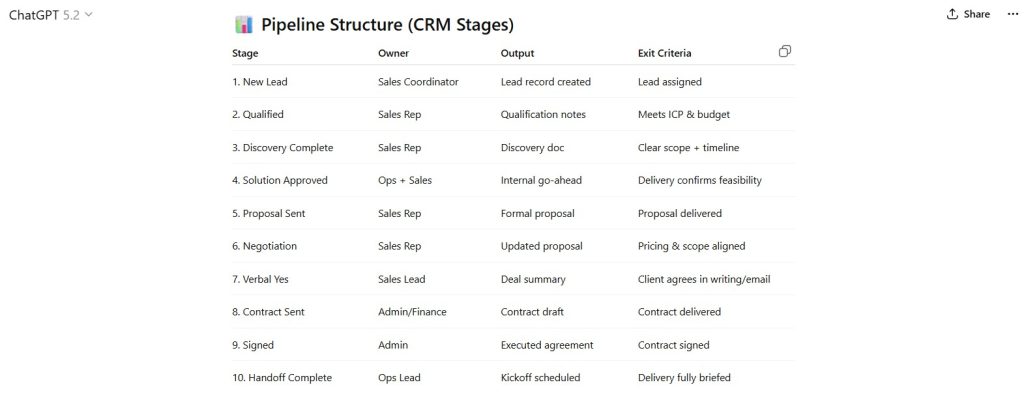
    Figure 4 — Detailed Stage Breakdown
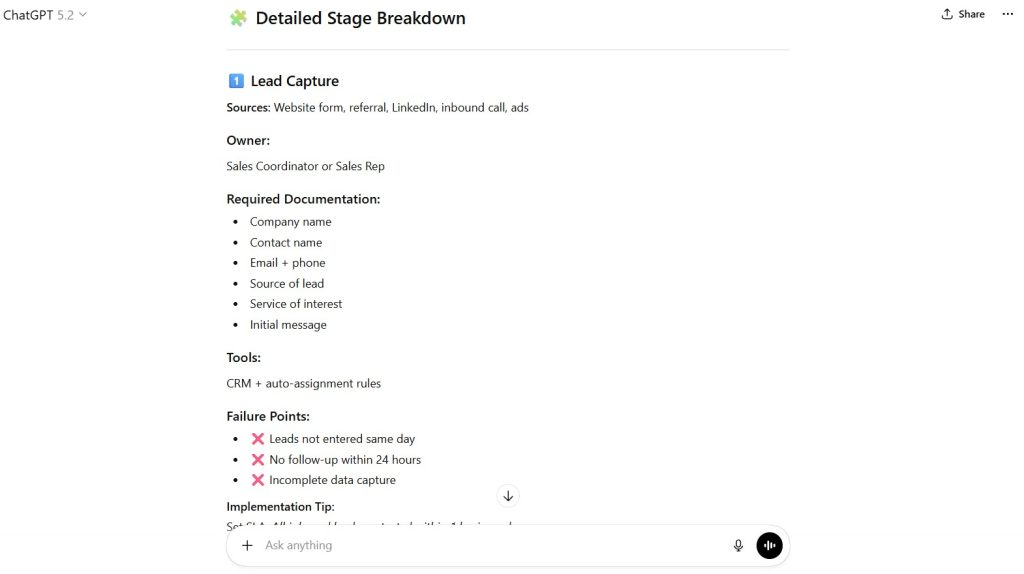

    Figure 5 — Governance Framework & Metrics
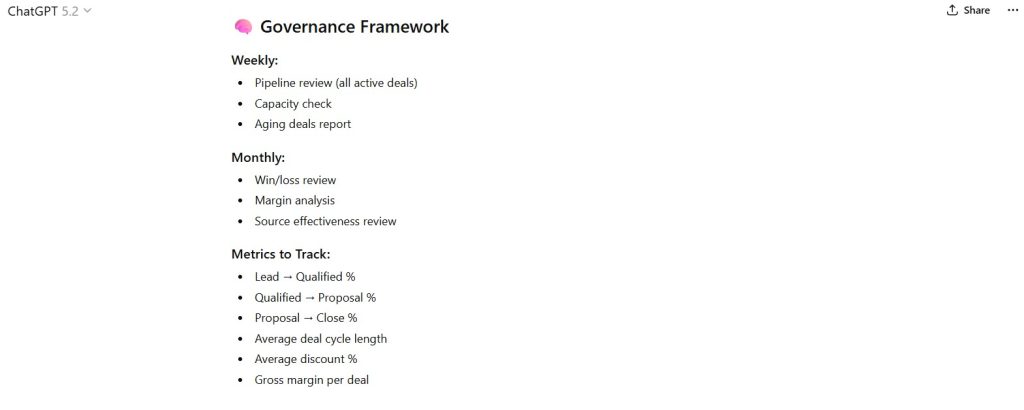
    Figure 6 — Minimum Tech Stack (Lean Version)

    Capability Domain Evaluated

    Operational Systems Design

    This domain tests the model’s ability to:

    • Sequence commercial processes logically
    • Translate business objectives into structured workflows
    • Assign ownership layers clearly
    • Define documentation and governance controls
    • Establish measurable transition criteria between stages

    Observed Strengths

    • Clear commercial stage sequencing
    • Explicit ownership definition
    • Documented risk and failure point identification
    • Defined process checkpoints
    • Measurable exit criteria

    Observed Constraints

    • Limited competitive positioning depth
    • No strategic differentiation framing
    • Requires human refinement for market-level nuance

    Institutional Assessment

    The model demonstrates strong operational workflow design capability when provided defined organizational parameters and structural constraints.

    It reliably sequences commercial stages from inbound lead through executed contract, assigns ownership layers, defines documentation standards, and establishes measurable exit criteria.

    The output includes embedded risk identification and governance controls, reflecting systems-level reasoning rather than surface process description.

    This capability domain rewards structural logic, process clarity, and implementation awareness. Performance in this assessment indicates consistent strength in structured systems design environments.


    Performance Classification: Strong

    Assessment Status: Locked under Methodology v1.0.
    Structural revisions require formal version update.

    — First Tier Review

  • FTR Test #1 — Structured Planning Assessment: 6-Week Authority Development Plan

    Testing Framework: First Tier Review Methodology (v1.0)
    Assessment Date: February 17, 2026
    Test Classification: Structured Planning Assessment
    Test Environment: Controlled, Documented Prompt Conditions

    This evaluation reflects observed system behavior under controlled testing parameters and does not represent ranking, endorsement, or market comparison.


    Standardized Prompt Directive

    Design a structured 6-week authority-building plan for a small business founder seeking to establish professional credibility in a niche market.

    Include:

    • Weekly content themes
    • Positioning strategy
    • Execution cadence
    • Platform alignment
    • Measurable indicators of traction

    Keep the plan structured, practical, and implementation-focused.


    Documented Input (Prompt Record)

    Figure 1 — Documented Prompt Record (Controlled Test Input)


    Documented AI Output (Model Response Record)

    The model produced:

    • A structured 6-week calendar
    • Weekly thematic positioning
    • Defined execution rhythm
    • Suggested content mix (authority vs. engagement balance)
    • Traction indicators
    • Light governance recommendations

    Output was organized sequentially and aligned with execution flow.

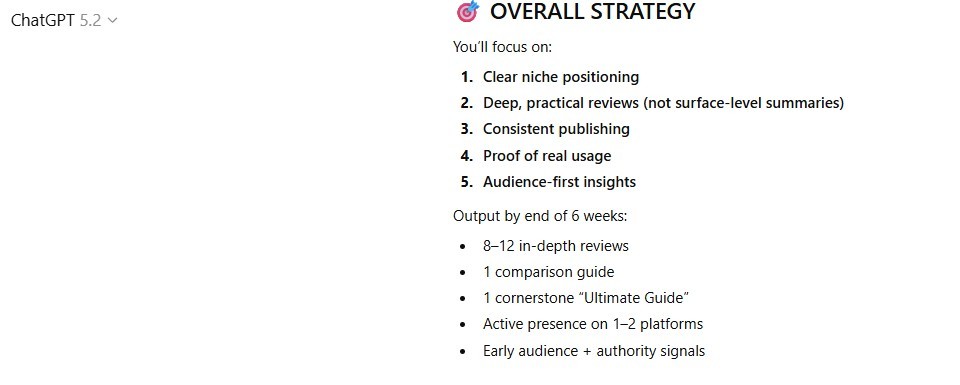
    Figure 2 — Strategic Framing & Output Targets

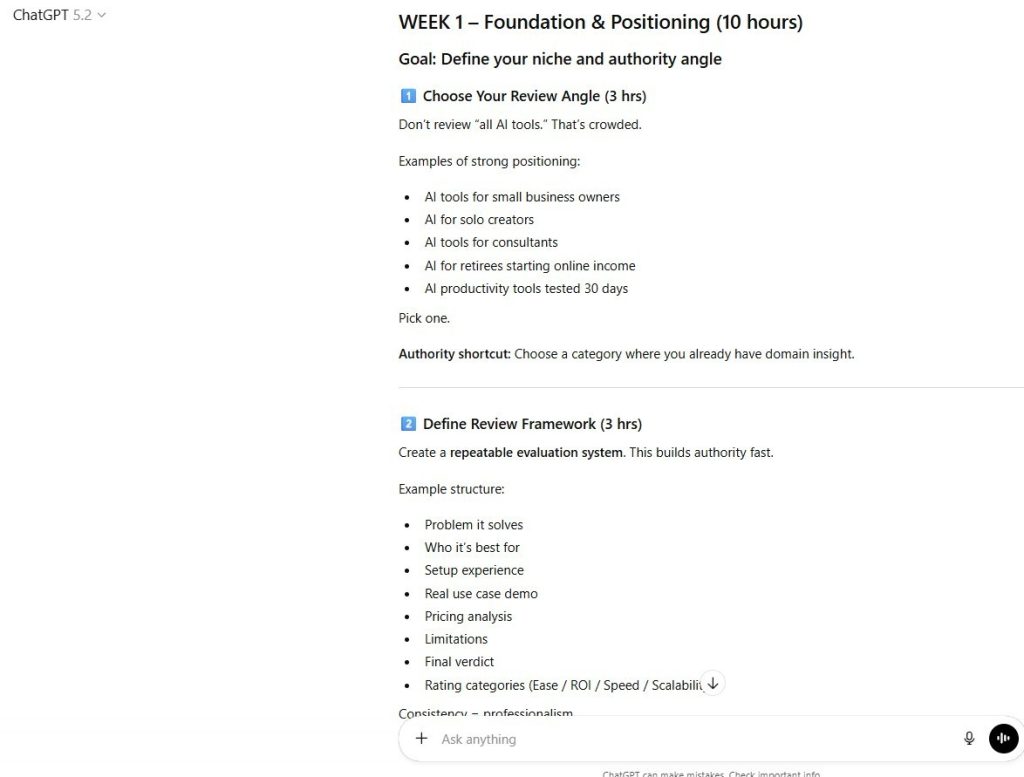
    Figure 3 — Initial Positioning & Framework Definition

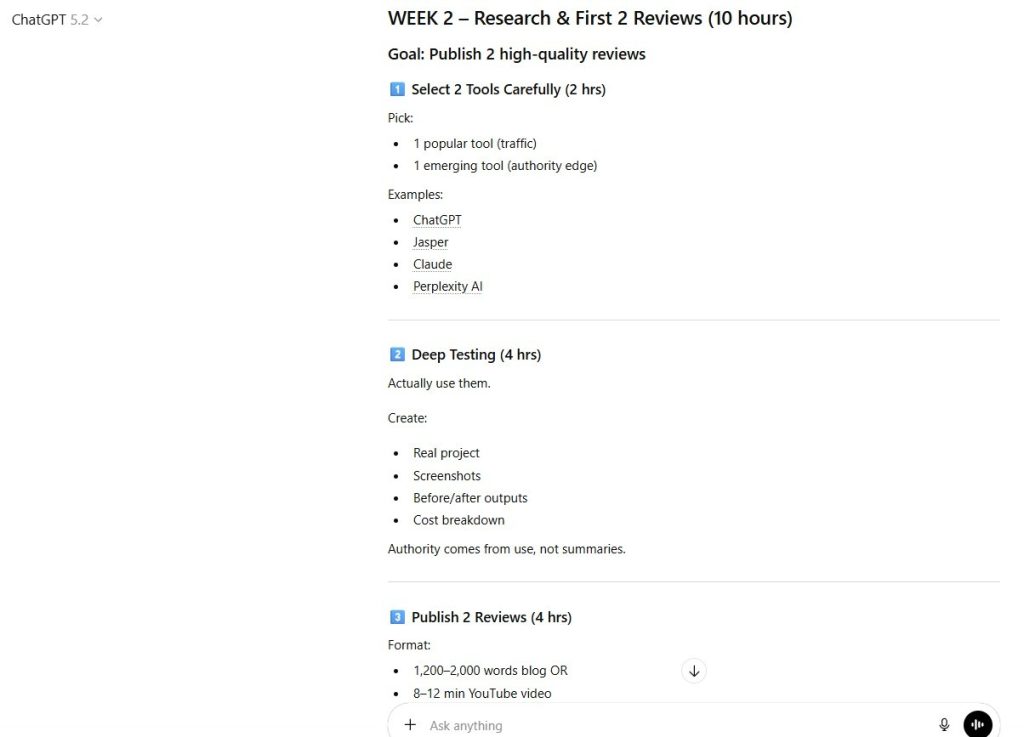
    Figure 4 — Structured Comparative Planning

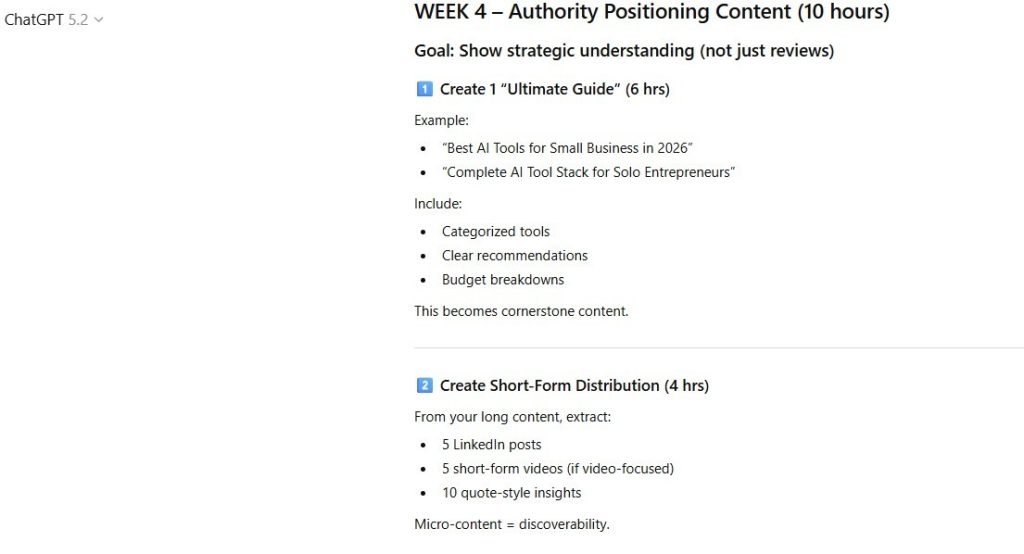
    Figure 5 — Governance & Optimization Layer


    Capability Domain Evaluated

    Structured Planning

    This domain tests the model’s ability to:

    • Sequence initiatives logically
    • Maintain theme consistency across time
    • Balance positioning with execution
    • Translate abstract goals into calendar-based structure

    Observed Strengths

    • Clear week-by-week sequencing
    • Logical authority build progression
    • Structured cadence recommendations
    • Practical, small-business appropriate scope
    • Alignment between theme and tactical execution

    Observed Constraints

    • Limited competitive differentiation depth
    • No market nuance exploration
    • Requires human refinement for sharper positioning edges

    Institutional Assessment

    The model demonstrates strong structured planning capability when objectives and constraints are clearly defined.

    It reliably sequences initiatives, maintains thematic continuity, and translates strategy into calendar-based execution.

    This capability domain rewards structural logic more than creative differentiation. The model performs consistently in structured planning environments.


    Assessment Status: Locked under Methodology v1.0
    Structural revisions require formal version update.

    — First Tier Review